Why Melbourne's Fintech Scene Punches Above Its Weight on the Global Stage
From Flinders Lane to the CBD, this city's unique blend of banking heritage, startup grit and regulatory pragmatism is reshaping how the world thinks about money.
3 min read
From Flinders Lane to the CBD, this city's unique blend of banking heritage, startup grit and regulatory pragmatism is reshaping how the world thinks about money.
3 min read

Melbourne's fintech ecosystem has quietly become one of the Southern Hemisphere's most formidable forces in digital banking and financial innovation. Unlike Silicon Valley's venture-fuelled chaos or London's legacy banking dominance, this city has carved out something distinctly its own: a pragmatic, regulation-savvy sector that marries old-world financial discipline with startup velocity.
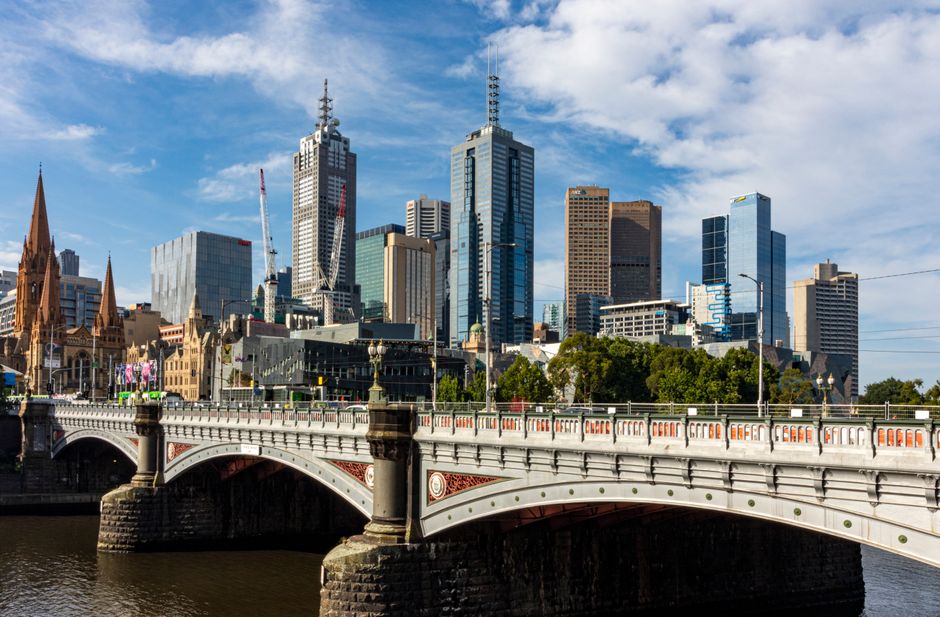
The numbers tell part of the story. Melbourne is home to over 600 fintech companies, according to recent industry surveys, with the sector attracting more than $2 billion in venture capital since 2015. But statistics alone don't capture what makes this ecosystem different. Walk through Cremorne, where companies like Atlassian built their empire before going global, or through the CBD's gleaming tower blocks, and you'll notice something distinctive: fintech here isn't a separate tribe. It's embedded in the city's commercial DNA.
This integration stems from Melbourne's historical identity as Australia's financial capital. The Australian Securities Exchange, major banking headquarters, and deep institutional investment knowledge have all created an unusually sophisticated talent pool. Young engineers and product managers don't just understand payments and lending—they understand regulatory frameworks, legacy systems, and institutional constraints. That combination is rare globally and incredibly valuable when building financial infrastructure.
The regulatory environment has proven surprisingly enabling. While other jurisdictions regulate fintech reactively, Australia's prudential regulator has engaged proactively with the sector, creating pathways for innovation around open banking and buy-now-pay-later services. This predictability has attracted both local founders and international firms looking for a testing ground.
Consider the geographic advantages too. Melbourne sits on the Asia-Pacific rim, positioning it perfectly to serve regional markets in Singapore, Hong Kong, and increasingly India and Southeast Asia. Companies here naturally think cross-border from day one—they're not centred on a massive domestic market, which forces them to build for scale and flexibility from the outset.
The city's cultural diversity also matters. With significant Chinese, Indian, and European migrant communities, Melbourne's founders and teams bring deep understanding of multiple payment systems, remittance corridors, and emerging-market financial behaviours. That cultural and commercial insight is increasingly valuable as fintech becomes truly global.
What distinguishes Melbourne isn't any single factor—it's the combination. Melbourne offers the stability of a major financial centre, the innovation hunger of a vibrant startup scene, regulatory competence, geographic positioning, and cultural diversity. That's a rare convergence, and it explains why this city has become a serious player in how the world thinks about money.
This article was compiled by AI from the sources linked above and screened before publishing. See our editorial standards.
About this article
Published by The Daily Melbourne
Daily brief
Free, in your inbox before 7am. Weekdays.
You might also like
Tech

Tech

Tech

Tech
Free daily briefing