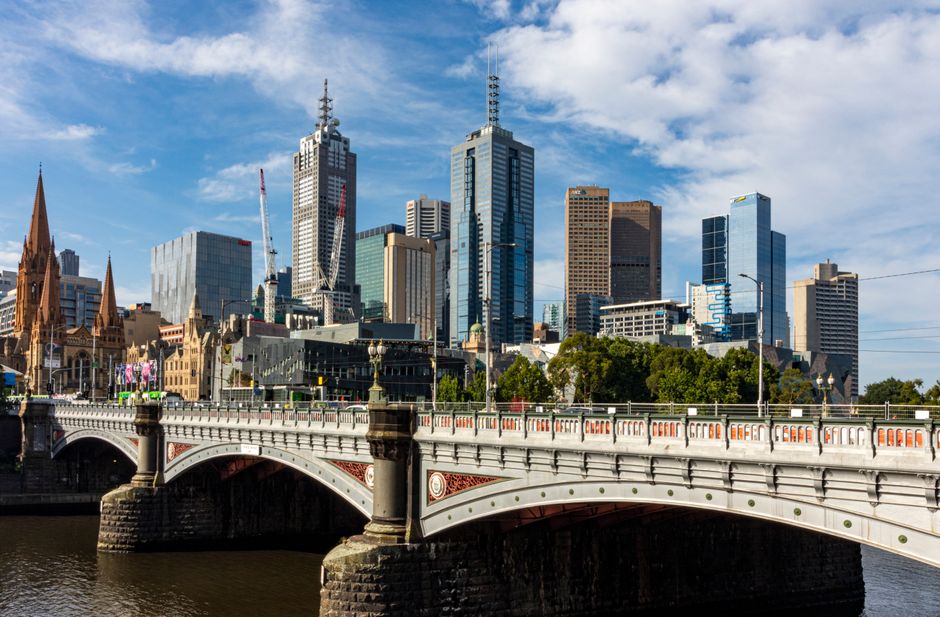
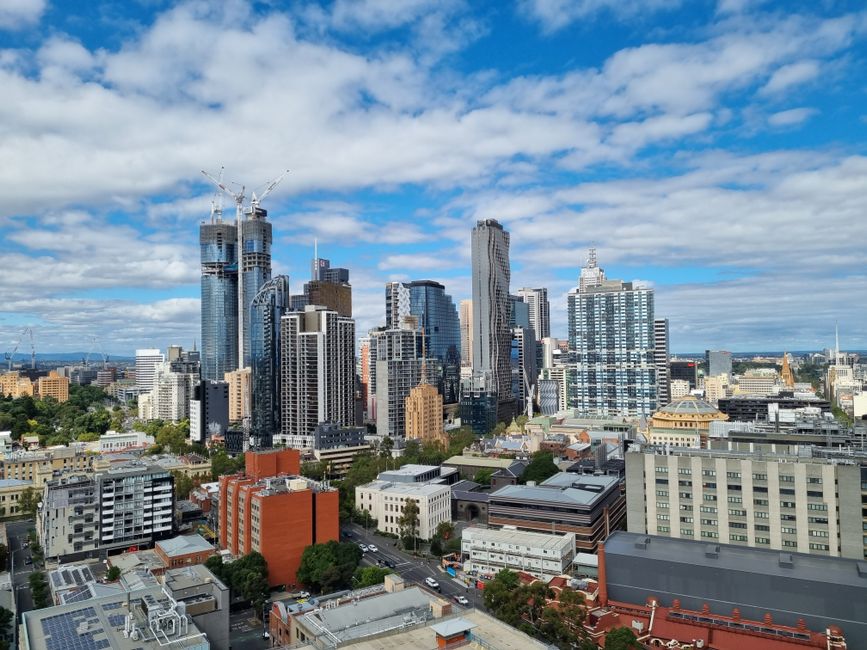
On a Tuesday morning in Docklands, a software engineer boards a tram that's already predicted her arrival time within two minutes. At a laneway café in Collingwood, a barista rings up a coffee using an AI-powered ordering system that learns customer preferences. By evening, a resident in Carlton scrolls through a property listing for a share house, complete with real-time neighbourhood noise data most of us didn't know we needed.
These aren't futuristic fantasies. They're the visible byproducts of Melbourne's thriving venture capital ecosystem, which pumped over A$1.2 billion into local startups in 2025—and the ripple effects are now touching everyday life across the city.
Melbourne's startup corridor, spanning from the CBD through Southbank and into the creative hubs of Fitzroy and Brunswick, has matured significantly. Unlike five years ago, when venture capital was still treated as a niche pursuit, today's funding wave is directly addressing the mundane frustrations residents face: transport inefficiency, housing affordability anxiety, workplace flexibility, and the relentless cost of living.
Take mobility tech as an example. Several VC-backed companies have partnered with Public Transport Victoria to optimise tram and bus routing using real-time data. The result? Commuters across inner Melbourne are experiencing more predictable journey times. Meanwhile, co-working platforms funded by local venture firms have transformed how freelancers and small teams operate, with hubs now dotting Chapel Street, Queen Street in Brisbane, and along Smith Street.
The property sector tells an equally compelling story. Venture-funded proptech companies are finally addressing the information asymmetry that's plagued Melbourne renters for decades. Tools now available to locals provide granular data on neighbourhood liveability—noise pollution mapping, public transport accessibility scores, and even projected gentrification risk—fundamentally changing how people evaluate where to live.
Perhaps most tangibly, the food and beverage sector has been revolutionised by local startup investment. Digital menu systems, ghost kitchen platforms, and supply-chain optimisation tools have quietly reduced the cost of running a café or restaurant by up to 15 per cent—savings that occasionally translate to lower consumer prices.
The Melbourne venture ecosystem, anchored by firms like Blackbird and Square Peg Capital, has matured beyond funding moonshots. Instead, it's increasingly backing solutions to the friction points that define urban living. The startup founder working late in a South Yarra co-working space isn't just building a business—she's rebuilding Melbourne's infrastructure, one app at a time.
This article was compiled by AI from the sources linked above and screened before publishing. See our editorial standards.