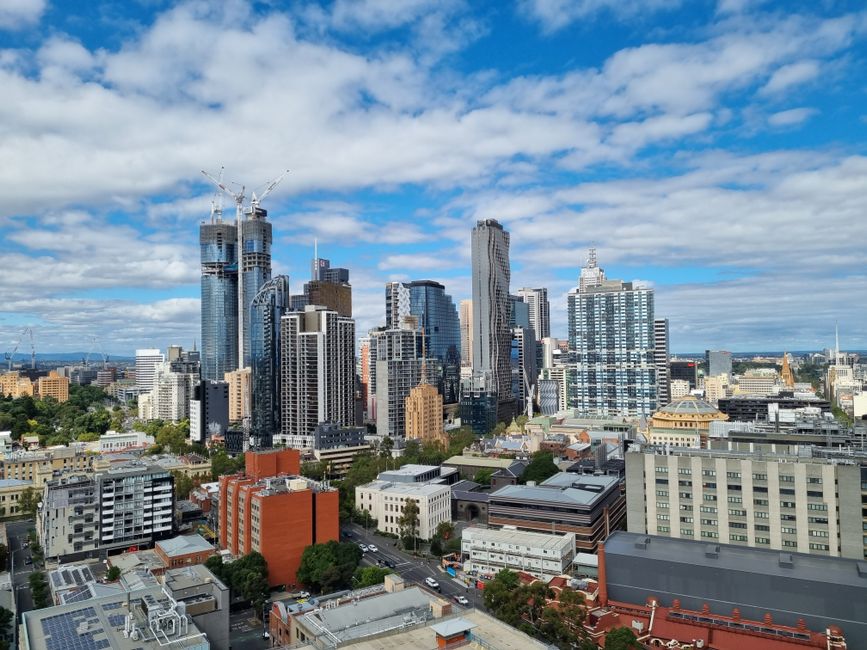
Walk through Cremorne or Fitzroy on any given Tuesday and you'll spot them: founders hunched over laptops in co-working spaces, pitching to investors about the next big thing in green technology. Melbourne's clean-energy startup ecosystem is no longer a fringe movement—it's become a genuine economic force, with more than a dozen ventures now scaling aggressively across renewable energy, circular economy, and climate tech sectors.
The activity is concentrated in familiar hubs. Spaces like Hub Australia on Collins Street and The Commons in Cremorne have become de facto headquarters for sustainability-focused teams. Earlier this year, several local ventures closed funding rounds exceeding $5 million each, signalling serious investor appetite for homegrown climate solutions. According to recent data from local venture networks, clean-tech now represents roughly 18 percent of all startup funding flowing through Melbourne—up from just 8 percent three years ago.
What's driving this acceleration? Partly, it's regulatory momentum. Victoria's commitment to net-zero emissions by 2045, combined with the Clean Energy Finance Corporation's expanded focus on emerging technologies, has created runway for teams solving real grid challenges. Battery recycling startups—particularly those tackling lithium-ion waste from electric vehicles—are experiencing explosive demand as the EV fleet grows exponentially across Australia.
The talent pipeline matters too. RMIT and the University of Melbourne continue churning out engineers and materials scientists eager to apply their skills to sustainability problems rather than conventional tech. Many are choosing to stay local rather than chase Silicon Valley salaries, creating a virtuous cycle of experienced founders mentoring the next cohort.
Interestingly, the sector isn't monolithic. You've got deep-tech teams working on hydrogen catalysts and grid storage sitting alongside software founders building SaaS platforms for energy management. Some ventures are explicitly B2B—selling solutions to major utilities and industrial players. Others are pursuing direct-to-consumer models, betting on consumer appetite for transparent energy tracking and carbon accounting.
The challenges remain real. Commercialising hardware takes longer than software, capital requirements are steep, and regulatory pathways can be murky. Yet the momentum is undeniable. By mid-2026, Melbourne's clean-tech scene has evolved from a collection of idealistic founders to a recognisable economic cluster with genuine staying power. That shift—from passion project to serious business—is what's reshaping the city's startup landscape right now.
This article was compiled by AI from the sources linked above and screened before publishing. See our editorial standards.
About this article
Published by The Daily Melbourne
This article was produced by the The Daily Melbourne editorial desk and covers tech in Melbourne. See our editorial standards for how we use AI.
See something wrong? Suggest a correction.
Daily brief
Enjoyed this? Wake up to Melbourne news every morning.
Free, in your inbox before 7am. Weekdays.