Melbourne's cybersecurity sector has quietly become one of Australia's most aggressively funded tech verticals, with venture capital flowing into local firms at a rate not seen since the fintech boom of the early 2020s. Data compiled by industry trackers shows that cybersecurity and digital privacy startups based in metropolitan Melbourne have attracted approximately $410 million in investment over the past three years—a 240 per cent increase from the 2021-2023 period.
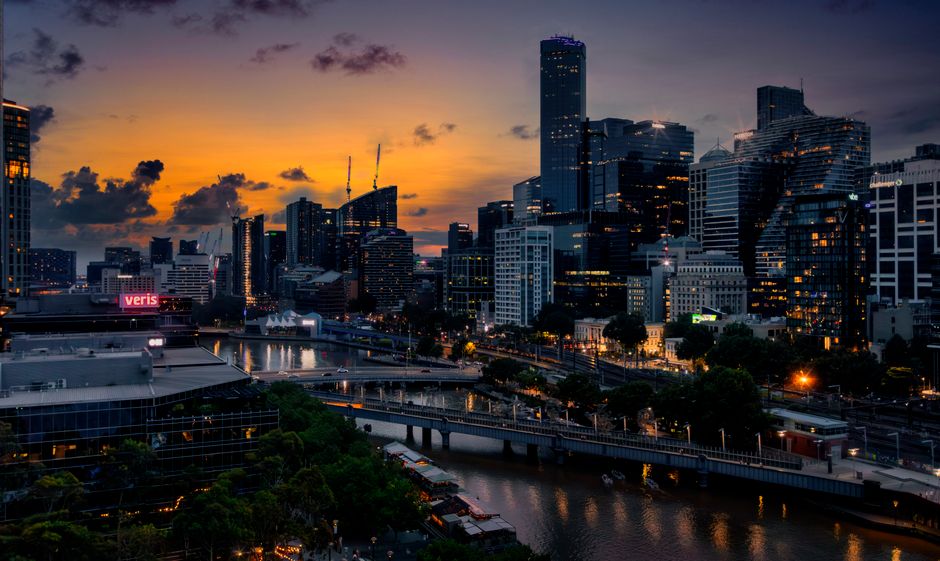
The growth has transformed once-overlooked precincts. Southbank's innovation corridor, traditionally dominated by creative industries, now hosts at least fourteen cybersecurity-focused companies, while Fitzroy and nearby Brunswick have emerged as unexpected strongholds for privacy-first software developers. A significant cluster has also taken root in Docklands, where converted warehouse spaces along Batman Avenue now house scaled-up security firms and their investors.
"The timing has been perfect," says Chris Duffield, a venture partner at one of Melbourne's largest early-stage funds. "Post-pandemic, regulatory pressure around data privacy intensified globally, and Australian enterprises suddenly realised their existing security infrastructure was inadequate. That created genuine demand for innovative solutions."
This year alone has seen three major Series B funding rounds close for local firms, each exceeding $15 million. One Southbank-based identity management startup raised $22 million in March, backed by overseas investors who cited Melbourne's proximity to Asia-Pacific markets as a strategic advantage. Another firm focusing on supply-chain security completed a $18 million Series B in April.
The investment momentum reflects broader patterns: Australian cybersecurity skills are in acute shortage, with major corporates and government agencies competing fiercely for talent. The average cybersecurity engineer salary in Melbourne has risen 18 per cent in two years, now sitting at around $165,000 base salary for mid-level roles. Senior architects command $220,000-plus packages.
Educational institutions have responded. RMIT and the University of Melbourne have both expanded cybersecurity offerings, while bootcamps along Swanston Street and in the CBD advertise specialist training programs. Industry bodies report that Melbourne's cybersecurity job openings have grown from 312 in 2023 to over 840 in the current hiring cycle.
Yet challenges persist. Founders complain of intense international competition for venture capital and difficulty retaining talent lured by Silicon Valley packages. Still, the sector's growth trajectory suggests Melbourne is cementing itself as Australia's digital defence capital—a position that could redefine the city's tech identity well beyond the current decade.
This article was compiled by AI from the sources linked above and screened before publishing. See our editorial standards.