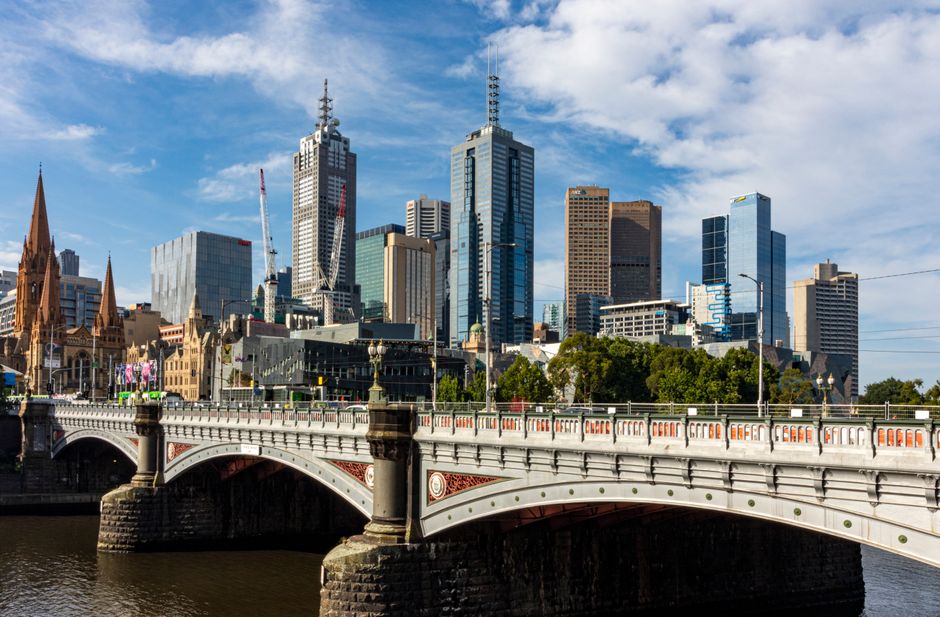
Melbourne's push to become a world-leading smart city is accelerating. Real-time traffic sensors across Swanston Street and the CBD, AI-powered flood prediction systems for the Yarra, digital permits processed in minutes rather than weeks—the promise is undeniable. Yet beneath the innovation narrative sits a thornier conversation about who pays the price when things go wrong.
The city's digital transformation strategy, unveiled last year, targets $2.3 billion in efficiency gains and aims to position Melbourne alongside Singapore and Copenhagen as a global smart city model. Councils across metropolitan Melbourne are deploying Internet of Things sensors, predictive analytics platforms, and integrated data systems at pace. But technologists, civil liberties advocates and community groups are raising urgent questions: What happens to the troves of location, movement and behavioural data being harvested? Who audits algorithmic decisions affecting service delivery in suburbs like Footscray and Dandenong? And are less affluent neighbourhoods being left behind?
Privacy concerns loom largest. Melbourne's growing network of sensors and cameras—from Federation Square to Docklands—creates a rich dataset on how residents move through public space. While councils frame this as essential for urban planning and safety, recent data breaches in Australian local government have demonstrated the stakes. A 2024 survey found 63 per cent of Victorians concerned about how councils use personal data collected through smart city initiatives.
Equity emerges as a second critical issue. Wealthier areas like Toorak and Brighton benefit first from smart city investment—from intelligent parking systems to predictive maintenance of infrastructure. Meanwhile, outer suburbs with aging digital infrastructure risk being left behind, potentially widening service gaps and reinforcing existing disadvantage.
Algorithmic accountability is the third pillar. When AI systems determine council service priorities, approve digital permits, or flag areas for enforcement action, who checks for bias? Melbourne's diversity—across language, socioeconomic status, and accessibility needs—means algorithms trained on incomplete datasets risk systemic unfairness.
The City of Melbourne and state government have begun consulting on a digital ethics framework, a step welcomed by advocates. But implementation remains uncertain. Without robust governance, independent auditing, and genuine community voice in design, Melbourne risks building a smart city that serves corporations and early adopters while deepening inequality.
The challenge isn't to reject digital transformation—it's to ensure it's genuinely smart enough to protect the city's most vulnerable, transparent enough for public scrutiny, and designed with Melburnians, not just for them.
This article was compiled by AI from the sources linked above and screened before publishing. See our editorial standards.