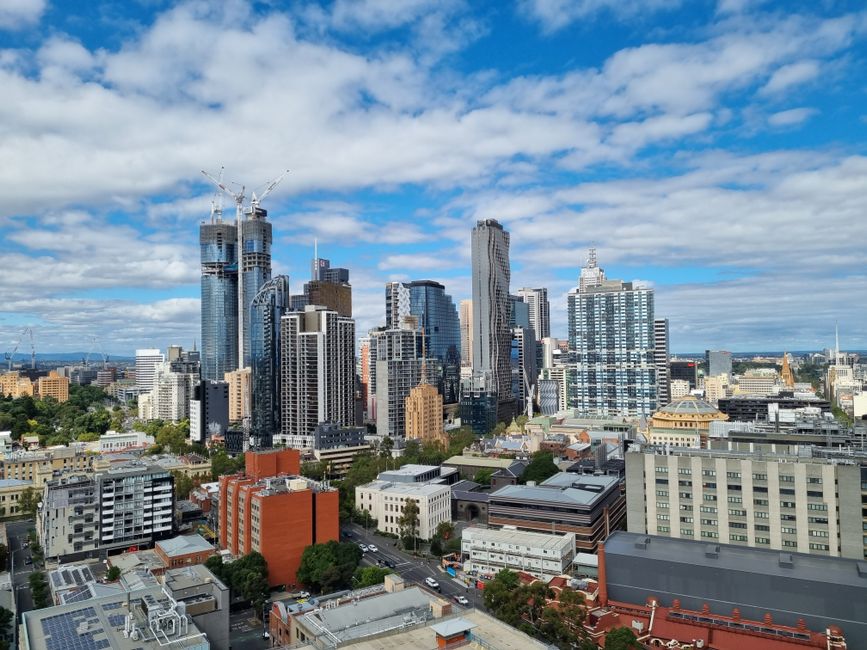
Melbourne's clean energy sector is experiencing a quiet acceleration that's catching the attention of venture capitalists well beyond Flinders Lane. While global headlines focus on geopolitical tensions and energy security, the city's startup ecosystem is methodically building solutions to Australia's most pressing sustainability challenge: grid stability and renewable integration.
The activity is concentrated in familiar innovation hubs. In Carlton and Fitzroy, where startup density rivals Sydney's tech precincts, at least a dozen cleantech companies are now in serious scaling phase. Last month, one local battery storage startup secured $18 million in Series B funding—a significant vote of confidence in technology that addresses Victoria's renewable energy bottleneck. The company, which operates from a shared workspace near the University of Melbourne, is developing grid-scale storage systems designed specifically for Australia's variable wind and solar outputs.
"What's different now is corporate engagement," says the clean tech investment community locally. Major utilities and industrial operators across Victoria are actively partnering with startups rather than waiting for traditional suppliers to innovate. Manufacturers in the western suburbs are piloting AI-powered energy management systems from homegrown founders. One Abbotsford-based team has built software helping commercial property owners reduce consumption by up to 23 percent—a compelling ROI in a market where energy costs continue climbing.
The talent pipeline is strengthening too. RMIT and University of Melbourne are now graduating cohorts specifically trained in renewable systems engineering and cleantech entrepreneurship. Local accelerators like Hub Australia have dedicated streams for sustainability-focused founders, and the Victorian Government's recent expansion of cleantech grants has created a funding environment that didn't exist three years ago.
Challenges remain stark. Regulatory complexity around grid connection still frustrates founders. Manufacturing costs for hardware remain high, pushing many teams toward software and services. And there's lingering scepticism about whether Australian ventures can scale globally when fossil fuel lobbying remains entrenched at federal level.
Yet momentum is building visibly. The annual SolarReady summit attracted 2,400 attendees in May. Job postings in clean energy tech across Melbourne have grown 34 percent year-on-year. Infrastructure Victoria's recent 30-year strategy explicitly names startup innovation as critical to the state's energy transition.
For a city that's built its modern identity on creative industries and services, clean tech represents something strategically important: high-value manufacturing and IP creation rooted in genuine environmental need. That's proving magnetic for founders, investors, and the talent they need to scale.
This article was compiled by AI from the sources linked above and screened before publishing. See our editorial standards.