How Much Water to Drink in Melbourne's Climate
Melbourne's unpredictable weather changes your hydration needs. Learn how much water you should drink across spring, summer and winter to stay healthy.
3 min read
Melbourne's unpredictable weather changes your hydration needs. Learn how much water you should drink across spring, summer and winter to stay healthy.
3 min read
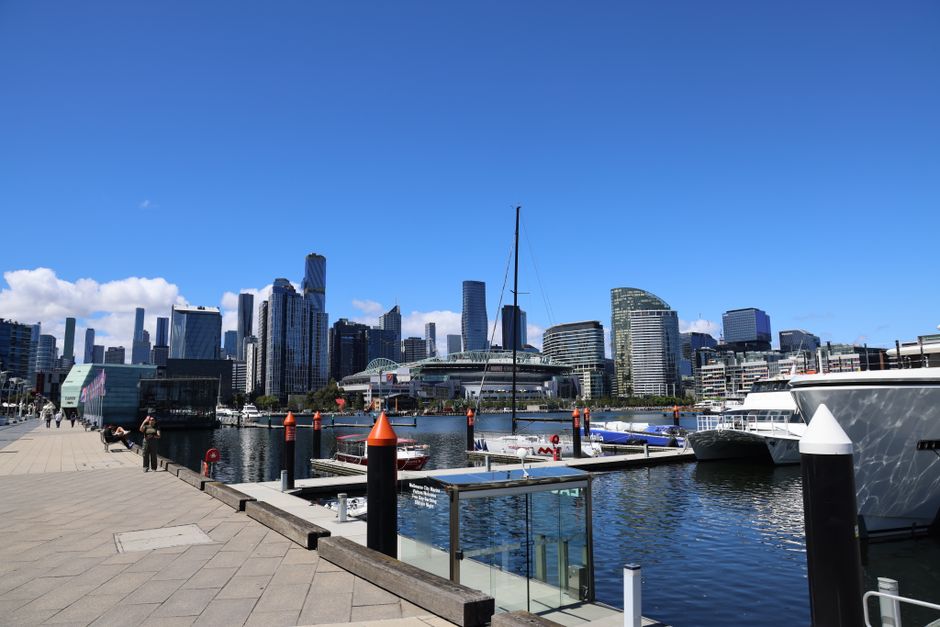
Melbourne's notorious "four seasons in one day" reputation isn't just a cliché—it's a hydration challenge. Whether you're pounding the pavement along the Yarra River trails or tackling the Tan Track during a surprise heatwave, your body's fluid needs shift dramatically with our climate's moods.
The baseline recommendation remains 2-3 litres daily for most adults, but Melbourne's conditions complicate that simple formula. During our scorching summers—when temperatures regularly exceed 30 degrees—that figure climbs considerably. A 2024 health survey from the Victorian Department of Health noted that dehydration-related emergency visits spike 40% during January and February, particularly among outdoor enthusiasts in inner suburbs like Fitzroy and Collingwood.
"Your hydration needs depend on activity level, temperature, and humidity," explains the Australian Institute of Sport's general guidance. If you're training on the Tan Track during a warm afternoon, you'll need significantly more than someone working indoors in an air-conditioned CBD office. A useful starting point: drink enough that your urine remains pale yellow. If it's dark, you're behind.
What you drink matters too. Plain water remains gold standard, but for sessions exceeding 60 minutes or during extreme heat, electrolyte drinks become relevant. A 600ml bottle of commercial sports drink in Melbourne cafés typically costs $5–7, though making your own with water, a pinch of salt, and citrus is budget-friendly. Coconut water—increasingly stocked at Green Edge on Smith Street and similar health-focused retailers—offers natural electrolytes for around $4 per carton.
Avoid the trap of assuming caffeine-heavy choices keep you hydrated. While moderate coffee consumption (2–3 cups daily) needn't dehydrate you, relying on café lattes as your primary fluid intake won't cut it. The same applies to sugary drinks—they may contain water, but the added calories and blood-sugar impact make them a suboptimal choice for consistent hydration.
Winter requires vigilance too. Melbourne's cooler months lull people into complacency, but our dry conditions—especially indoors with heating—still deplete fluids. If you're heading to a Collingwood pilates class or indoor studio workout, hydration remains crucial even when it doesn't feel urgent.
The practical approach: carry a reusable bottle (keeping your wallet and the environment happy), sip regularly rather than guzzling, and adjust intake based on sweat, weather, and activity. Your body will thank you, and you'll sidestep the fatigue and headaches that often masquerade as other problems.
For personalised hydration advice, consult your GP or a sports dietitian.
This article was compiled by AI and screened before publishing. See our editorial standards.
Partner Content
SponsoredPartner Content lets Melbourne businesses reach engaged local readers with a clearly labelled, editorial-style feature. Every placement is marked Sponsored, in line with our sponsored content policy.
Business details including hours, menus and offerings may change. Verify directly with the venue before visiting.
About this article
Published by The Daily Melbourne
Daily brief
Free, in your inbox before 7am. Weekdays.
You might also like
Wellness
Wellness
Wellness
Wellness
Free daily briefing