Galleries on the Fringe: The community and movement driving this cultural shift
While the NGV commands the spotlight, a network of independent artist-run spaces in Melbourne’s inner north is rewriting how the city values local creativity.
3 min read
While the NGV commands the spotlight, a network of independent artist-run spaces in Melbourne’s inner north is rewriting how the city values local creativity.
3 min read
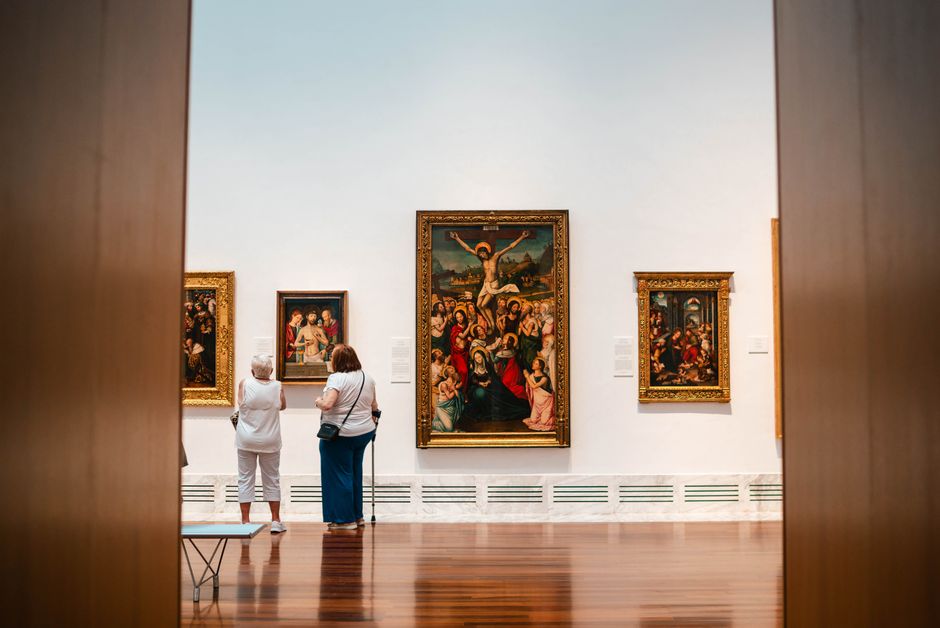
Melbourne’s gallery scene has officially shed its institutional skin. As of this morning, four new artist-run initiatives have confirmed lease signings in Brunswick and Northcote, marking a 15% increase in non-commercial exhibition spaces across the City of Moreland since January. This migration away from traditional white-cube galleries in the CBD toward decentralized, community-managed workshops suggests a fundamental change in how artists want their work consumed.
This shift isn't just about rising commercial rents on Collins Street or the increasing difficulty of securing grants from Creative Australia. It is a calculated retreat into hyper-localism. At spaces like Bus Projects in Collingwood and the Gertrude Contemporary satellite programs, the focus has pivoted toward deep-community collaboration rather than high-turnover sales. The movement prioritizes experimental installation art over the polished, blue-chip portraits often seen at the Archibald Prize, which announced its latest Young Archie winners just hours ago.
The economic reality driving this is clear. With median commercial gallery commissions in Melbourne still hovering between 30% and 40%, many emerging artists are finding it impossible to remain solvent in the formal sector. By forming collectives, these creators are bypassing the traditional dealer model. In a warehouse on Weston Street, an collective of ten painters has opted to pool resources for lighting, insurance, and marketing, effectively creating their own micro-economy. It’s a grassroots survival tactic that has inadvertently become the city’s most exciting cultural development.
The numbers support this grassroots pivot. According to recent filings from the Victorian Arts Data Collaborative, independent venue attendance across Melbourne’s inner-north suburbs climbed by 22% during the first half of 2026. This coincides with a 12% drop in foot traffic at traditional, privately-owned galleries in the Southbank precinct. Entry fees remain virtually non-existent for these community-run spaces, with most venues relying on a voluntary $5 donation model or community-driven crowdfunding campaigns to keep the doors open.
For those looking to engage with this movement, the best entry point is the monthly 'First Friday' series, where spaces along Lygon Street and Sydney Road keep their doors open until 9:00 p.m. to encourage dialogue between artists and visitors. The shift is palpable. Next week, the Blindside Art Space on Swanston Street will host a roundtable discussion on the future of artist-run initiatives, a must-attend for anyone tracking where the money—and the talent—is heading next. Expect more closures of traditional storefront galleries by year's end as the industry continues to reorganize around these local clusters.
Partner Content
SponsoredPartner Content lets Melbourne businesses reach engaged local readers with a clearly labelled, editorial-style feature. Every placement is marked Sponsored, in line with our sponsored content policy.
About this article
Published by The Daily Melbourne
Daily brief
Free, in your inbox before 7am. Weekdays.
You might also like
Culture
Culture

Culture
Culture
Free daily briefing
The Daily Network