Melbourne’s cultural pulse is currently beating fastest at 2:00 a.m. With the city experiencing its coldest July morning in four years, the traditional gallery-and-café circuit has been supplanted by a surge in late-night, multi-disciplinary festival programming. Institutions that once closed their doors at 5:00 p.m. are now centralizing their operations around nocturnal festivals, shifting the city’s identity from a daytime hub of commerce to a 24-hour creative laboratory.
The Shift to Nocturnal Programming
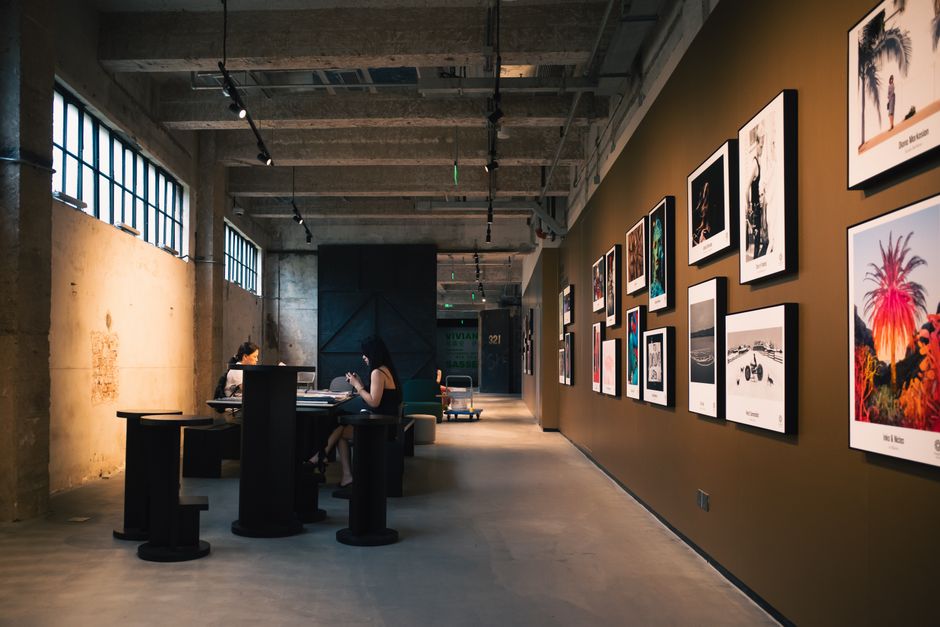
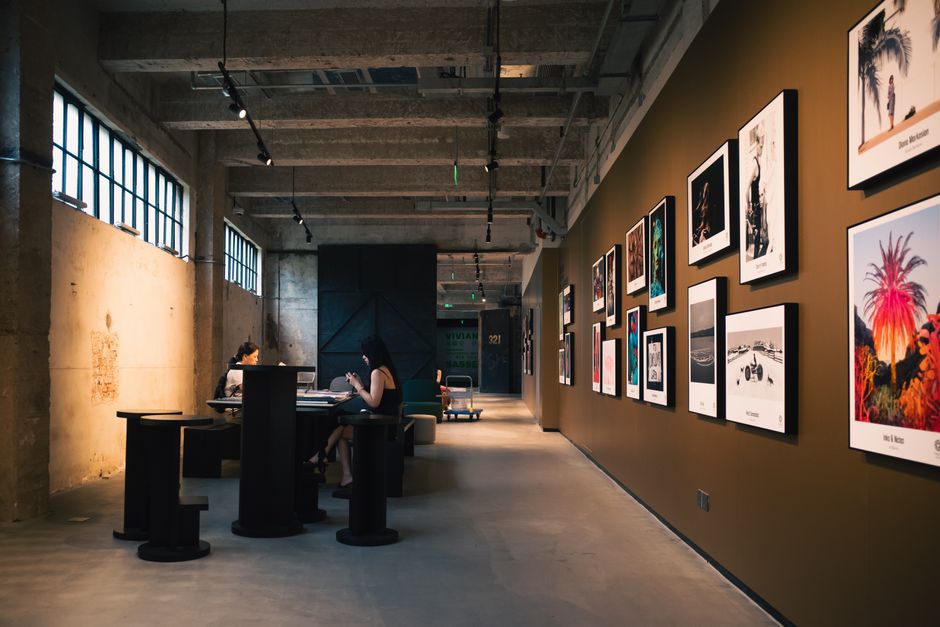
The pivot is most visible within the walls of the National Gallery of Victoria (NGV) and the sprawling industrial spaces of the Abbotsford Convent. Earlier this week, the NGV confirmed that its current winter festival programming has seen a 22% increase in foot traffic compared to the same period in 2024. This isn't just about longer hours; it is a fundamental reconfiguration of the city's calendar. By layering theatre, experimental soundscapes, and digital art into the dark, rain-soaked months of June and July, event organizers are actively rebranding Melbourne’s notorious winter weather as an aesthetic asset rather than a municipal liability.
This cultural strategy is being mirrored in the outer suburbs. The West Projections Festival in Footscray is currently transforming alleyways around Nicholson Street into high-definition light galleries. Meanwhile, the Melbourne Recital Centre in Southbank is currently pushing into its second week of the 'SoundState' residency, which prioritizes improvised performances that blur the line between listener and creator. These initiatives suggest that the city’s identity is increasingly forged through proximity to the unconventional, rather than the safe, institutionalized arts of the past.
The Cost of Connection
Data released by the City of Melbourne’s events department shows a significant shift in consumer spending patterns. Between July 1 and July 4, ticketed events priced under $45 have reported a sell-out rate of 88%, signaling that residents are prioritizing high-frequency, lower-cost cultural consumption. Local businesses along Degraves Street and Hardware Lane are reporting that they are adjusting their staffing schedules to accommodate these ‘festival clusters,’ moving away from the traditional 9-to-5 lunch rush to cater to audiences emerging from galleries and theatres well past midnight.
For those looking to engage with this shifting landscape, the coming weeks are critical. The Melbourne Art Book Fair, which kicks off at the NGV on July 18, is expected to draw record crowds, with a new focus on independent zine-makers from the Northern suburbs. Visitors should note that many of these events now require pre-registration via digital platforms like Eventbrite or the respective institution’s own portal, as capacity limits are being strictly enforced to maintain the intimacy of the experimental sets. If this trend holds, Melbourne’s ability to turn a cold, quiet winter into a peak season for creative output will serve as the primary benchmark for the city's cultural health heading into the 2027 calendar year.
Tell Melbourne your story
Partner Content lets Melbourne businesses reach engaged local readers with a clearly labelled, editorial-style feature. Every placement is marked Sponsored, in line with our sponsored content policy.
About this article
Published by The Daily Melbourne
This article was produced by the The Daily Melbourne editorial desk and covers culture in Melbourne. See our editorial standards for how we use AI.
See something wrong? Suggest a correction.
Daily brief
Enjoyed this? Wake up to Melbourne news every morning.
Free, in your inbox before 7am. Weekdays.