Beyond the Laneways: What visitors should know to unlock Melbourne’s true identity
Forget the social media stereotypes—the real story of this city is written in its sandstone, its hidden archives, and the shifting geography of the Yarra.
3 min read
Forget the social media stereotypes—the real story of this city is written in its sandstone, its hidden archives, and the shifting geography of the Yarra.
3 min read
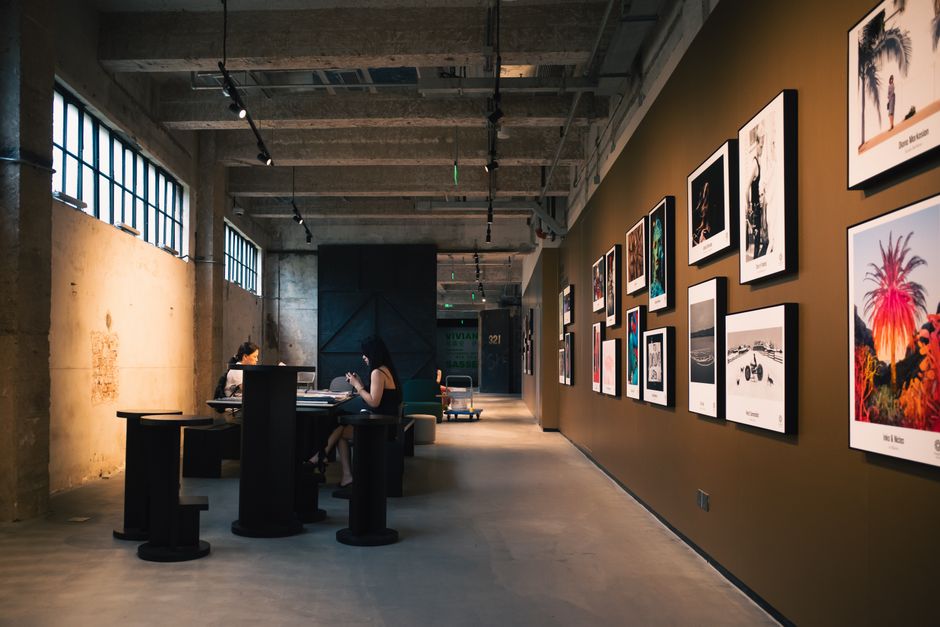
Melbourne is currently undergoing a quiet internal audit of its own history, spurred by a wave of urban renewal that is rapidly pushing the city’s 19th-century foundations into the background. While visitors flock to the graffiti-splattered walls of Hosier Lane, the true cultural markers of the city are increasingly being found in the preservation of its mid-century relics and the long-overdue formal recognition of Wurundjeri Woi Wurrung land. For the casual tourist, the city has become a blur of coffee culture and brunch spots; for the visitor willing to look deeper, the urban fabric reveals a much thornier, more rewarding narrative.
To understand how this city functions, you must first navigate the labyrinthine arcades that predate the modern glass-and-steel monoliths. The Royal Arcade, built in 1869, remains the gold standard for Victorian retail design, but the real history lesson is found just blocks away at the Old Melbourne Gaol. Tickets for a self-guided exploration now sit at $38, a small price to access the site where 133 hangings were carried out, including that of Ned Kelly in 1880. Walking through the bluestone cells provides a necessary, sobering counterweight to the curated vibrancy of the nearby Southbank promenade.
For a deeper dive into the city's artistic lineage, the National Gallery of Victoria (NGV) on St Kilda Road is currently hosting a retrospective that traces the evolution of the Heidelberg School. These painters, active in the 1880s and 90s, effectively codified the Australian landscape, and their works remain the most potent shorthand for our national identity. Don’t just look at the frames; check the gallery’s archival databases to see how the landscape depicted in these oils has been transformed by the rapid development of the last decade.
Heritage protection in Melbourne is currently a volatile political football. According to the latest Heritage Council of Victoria report, over 40 applications for demolition or significant alteration of heritage-listed sites in the inner-city municipalities of Yarra and Melbourne were lodged in the first half of 2026 alone. This pressure has fueled a surge in grassroots advocacy from groups like the Melbourne Heritage Action collective, who are keeping a close watch on the redevelopment of former industrial warehouses in Fitzroy and Collingwood. These buildings—once the heart of the city’s garment and brewing industries—are being converted into high-end lofts at an aggressive rate.
If you are planning a visit, skip the standard hotel concierge recommendations. Instead, spend a morning at the State Library of Victoria. The Dome Reading Room, which opened in 1913, is the most accurate barometer of Melbourne’s intellectual heritage. It is free to the public, though you will need to register for a library card online if you intend to access their deep-storage collections. On your way out, walk the length of La Trobe Street to see where the grid meets the brutalist architecture of the old RMIT campus. The friction between these architectural eras defines the city more than any laneway mural ever could. Come for the coffee, but stay to watch the way Melbourne negotiates the tension between its colonial roots and its high-density future.
Partner Content
SponsoredPartner Content lets Melbourne businesses reach engaged local readers with a clearly labelled, editorial-style feature. Every placement is marked Sponsored, in line with our sponsored content policy.
About this article
Published by The Daily Melbourne
Daily brief
Free, in your inbox before 7am. Weekdays.
You might also like

Culture

Culture
Culture
Culture
Free daily briefing
The Daily Network