Beyond the Laneways: What visitors should know to unlock Melbourne’s true identity
Forget the postcard clichés; a deeper look at the city’s heritage reveals why the real history is hidden in plain sight.
3 min read
Forget the postcard clichés; a deeper look at the city’s heritage reveals why the real history is hidden in plain sight.
3 min read
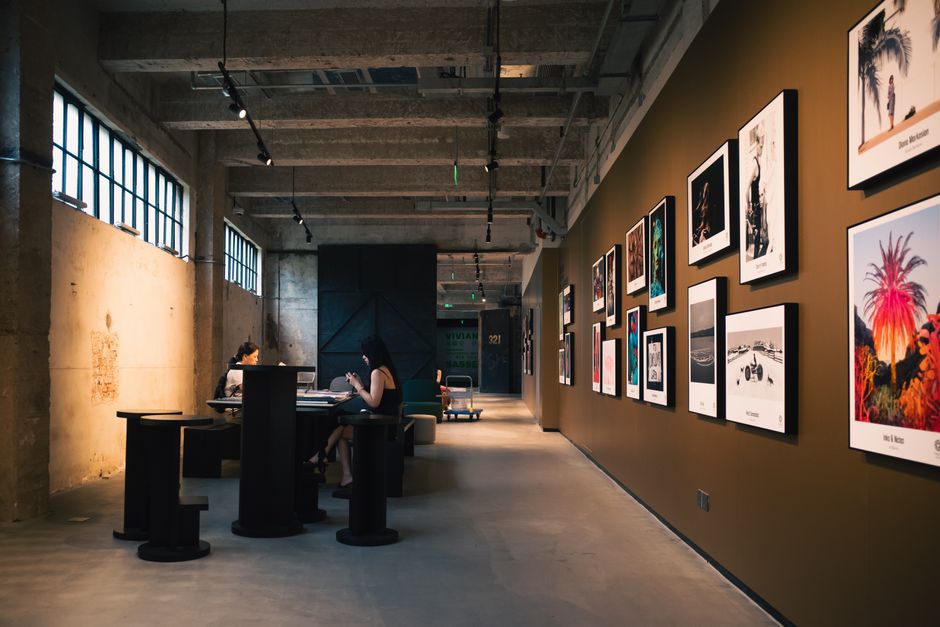
Melbourne’s cultural identity is currently undergoing a sharp, documented shift as developers and historians clash over the future of the city’s post-war architecture. While tourists continue to crowd the street art installations of Hosier Lane, a more significant conversation about the city's character is happening in the committee rooms of the Melbourne City Council and the offices of Heritage Victoria. The message to visitors is clear: look past the coffee shops, and you will find a city struggling to reconcile its 19th-century gold rush grandeur with the brutalist and modernist structures that defined its 20th-century expansion.
To understand the rhythm of Melbourne, one must look at the specific intersections of commerce and architecture that have survived the last decade of rapid high-rise development. The Royal Exhibition Building in Carlton remains the city’s only UNESCO World Heritage-listed site, but the real soul of the city is found in smaller, often overlooked pockets. The Block Arcade on Collins Street, completed in 1893, offers a pristine look at the Victorian era, yet it sits only blocks away from the remnants of the 1960s urban renewal projects that once threatened to erase the city’s historical core.
Walking tours hosted by the National Trust of Australia (Victoria) are increasingly focusing on the 'lost' buildings of the central business district. For those seeking a deeper dive, the State Library of Victoria holds over two million items, including architectural plans that reveal how planners in the 1950s envisioned a city of overhead walkways and radical transit systems that never quite materialized. This tension between the past and the inevitable march of modern infrastructure is what defines the local experience in 2026.
The numbers support the shift toward heritage tourism. Recent council data indicates that while overall foot traffic in the CBD has returned to 94% of pre-2020 levels, the number of visitors accessing registered heritage sites has increased by 12% over the last eighteen months. Entry to most major galleries remains free, but specialized heritage tours now average between $35 and $55 per person, reflecting the rising cost of maintaining aging, ornate infrastructure in a city that faces increasing heatwaves—June 2026 was the warmest on record for the broader region.
Visitors should prioritize a morning visit to the Old Melbourne Gaol on Russell Street before the midday sun peaks, as the thick bluestone walls offer a stark physical reminder of the city's penal history. If you are planning a trip for the coming month, ensure you book your spot at the Melbourne Museum in advance, as they are currently rotating an exhibit on the city’s industrial history that provides necessary context for the gentrification seen in areas like Fitzroy and Collingwood. The city is changing fast, but if you step off the main thoroughfares, the ghosts of the old city are still very much part of the skyline.
Partner Content
SponsoredPartner Content lets Melbourne businesses reach engaged local readers with a clearly labelled, editorial-style feature. Every placement is marked Sponsored, in line with our sponsored content policy.
About this article
Published by The Daily Melbourne
Daily brief
Free, in your inbox before 7am. Weekdays.
You might also like

Culture
Culture

Culture
Culture
Free daily briefing
The Daily Network