Beyond the Big Stage: The Community Movement Reshaping Melbourne’s Cultural Calendar
While major venues hold the headlines, a grassroots shift toward neighborhood-led programming is redefining how the city celebrates.
3 min read
While major venues hold the headlines, a grassroots shift toward neighborhood-led programming is redefining how the city celebrates.
3 min read
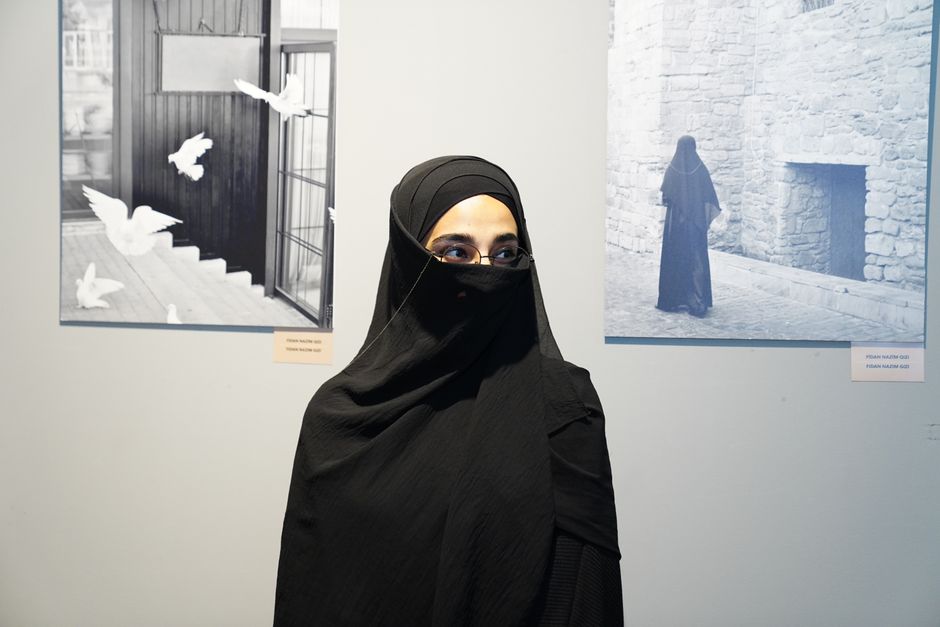
Melbourne’s cultural calendar is shedding its traditional top-down structure, with local collectives and suburban councils now driving the city’s creative output. This morning, the City of Melbourne confirmed that funding for the 'Neighbourhood Grants' program has been redirected to prioritize community-run festivals over large-scale commercial imports. The move follows months of lobbying by residents who argue that the city's identity has become too reliant on temporary, ticketed mega-events that fail to engage the diverse demographics of the inner north and west.
The cultural gravity is moving away from the central business district’s established arts hubs. In Brunswick, the community-led 'Sydney Road Arts Initiative' has successfully lobbied for a series of pop-up gallery spaces in previously vacant storefronts near Moreland Road. This move mirrors developments in Footscray, where the 'Phoenix Youth Centre' has begun curating a monthly block party series that exclusively features local emerging artists. Organizers say the goal is to decouple the city’s cultural health from the fluctuating prices of international touring acts.
Data released by the Victorian Department of Jobs, Skills, Industry and Regions indicates a 22 percent increase in attendance for hyper-local festivals over the last two financial quarters. While ticket prices for major stadium concerts in the city center have climbed to an average of $185 per head, many of these local events operate on a pay-what-you-can model or are entirely free. The economic rationale is clear: community-centric events keep local spending within the postcode, supporting neighborhood hospitality businesses rather than global ticketing giants.
This movement is not just about entertainment; it is a push for permanent cultural infrastructure. Community groups are now demanding that the City of Melbourne formalize a 'Creative Rights' charter, which would guarantee local artists first right of refusal for public space usage. At the State Library of Victoria, historians are already documenting the shift, noting that Melbourne is experiencing its most significant grassroots cultural reorganization since the early 1990s. The surge in suburban interest has led to new partnerships between independent curators and the Creative Victoria grant board.
For those looking to engage with this shift, the next test for the community movement occurs on July 20. The 'North Melbourne Collective' is set to host a town hall at the Errol Street community hall to finalize their agenda for the upcoming spring season. City council observers suggest that if the current momentum continues, neighborhood-led programming will be the primary driver of Melbourne’s tourism marketing by the end of 2027. Residents are advised to keep an eye on the 'What’s On' council portal, as the updated list of community-led winter micro-festivals will be uploaded by early next week.
Partner Content
SponsoredPartner Content lets Melbourne businesses reach engaged local readers with a clearly labelled, editorial-style feature. Every placement is marked Sponsored, in line with our sponsored content policy.
About this article
Published by The Daily Melbourne
Daily brief
Free, in your inbox before 7am. Weekdays.
You might also like

Culture
Culture

Culture
Culture
Free daily briefing
The Daily Network