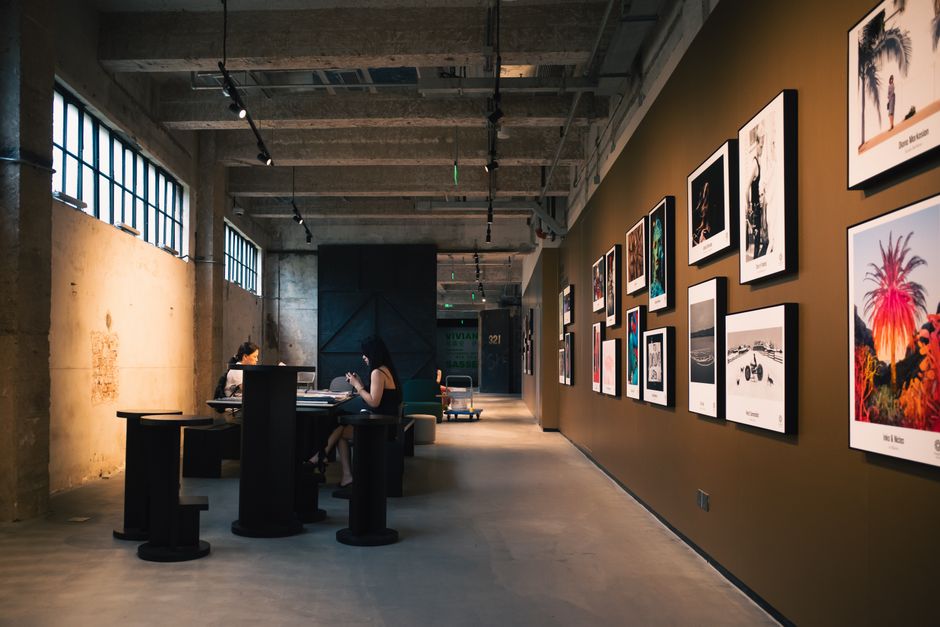
Melbourne’s commercial gallery scene is experiencing a generational rupture. While the headlines today focus on the Young Archie portrait competition winners, the real action is happening in converted warehouses and residential storefronts from Brunswick to Footscray, where artists under 30 are rejecting the standard white-cube exhibition format in favour of hyper-local, ephemeral projects.
The shift from institutional to independent
The urgency stems from a brutal reality: rental vacancy rates for commercial studio spaces in the CBD have hit a five-year low, forcing a decentralisation of the city’s creative hub. Artists are no longer waiting for a nod from the NGV or the heavy hitters on Flinders Lane. Instead, collectives like the ones operating out of the Trocadero Art Space in Footscray are curating their own market ecosystems. They are swapping formal gallery representation for community-led cooperatives, prioritising peer-to-peer sales via social media and direct-to-collector events over the 40-percent commission models that have long dictated the pace of the local trade.
Walking through the backstreets of Collingwood and Fitzroy, you can see the results of this pivot. Spaces such as the Blindside artist-run initiative in the Nicholas Building are currently showcasing works that favour digital-physical hybrids over traditional oils. The focus has moved toward climate-conscious materiality and domestic scale, a direct reaction to the unseasonable heatwaves—including Sydney’s record-breaking June temperatures—that have forced a broader reassessment of how we produce and transport cultural goods.
Data and the cost of entry
The financial barrier remains steep, yet the entry point for young collectors is lower than the established market would suggest. Recent data from the 2026 Melbourne Art Fair preview suggests that while blue-chip works have surged by 15 percent, the primary market for emerging artists—specifically those currently exhibiting at the West Space project in Collingwood—is holding steady at a median price point of $1,200 to $3,500. This middle ground is where the most significant cultural capital is currently being exchanged.
For those looking to track the next wave, watch the calendar for the upcoming August showcase at the Centre for Contemporary Photography on George Street. It is the best barometer for what is happening outside the mainstream. Prospective collectors should stop looking for investment-grade canvases and start following the smaller, artist-run spaces that post their opening nights on community message boards rather than through expensive PR firms. The best advice for the week ahead is to walk the length of Smith Street on a Thursday evening; the most promising new voices in the city are rarely found in the major institutions, but rather in the illuminated windows of the spaces that keep the lights on after 6:00 PM.
Tell Melbourne your story
Partner Content lets Melbourne businesses reach engaged local readers with a clearly labelled, editorial-style feature. Every placement is marked Sponsored, in line with our sponsored content policy.
About this article
Published by The Daily Melbourne
This article was produced by the The Daily Melbourne editorial desk and covers culture in Melbourne. See our editorial standards for how we use AI.
See something wrong? Suggest a correction.
Daily brief
Enjoyed this? Wake up to Melbourne news every morning.
Free, in your inbox before 7am. Weekdays.