How to Save a Deposit Faster in Melbourne's High-Price Market
With Victorian median prices hovering near $920,000, first home buyers are turning to aggressive savings strategies and government support to bridge the growing gap.
3 min read
With Victorian median prices hovering near $920,000, first home buyers are turning to aggressive savings strategies and government support to bridge the growing gap.
3 min read
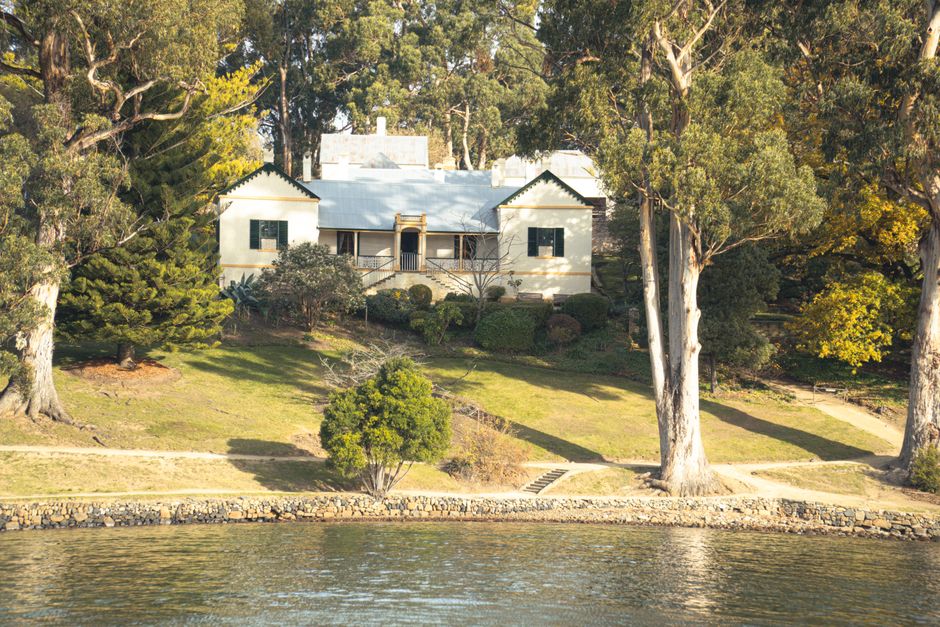
Melbourne's first home buyer market is under pressure. With the state median sitting around $920,000 and units averaging $620,000, saving a 20 per cent deposit feels like climbing Arthurs Seat with a full backpack. Yet thousands of Melburnians are doing it—and faster than you might think.
The reality is stark: a $200,000 deposit on a modest $1 million property in sought-after suburbs like Bentleigh East or Bayside requires discipline, but it's not impossible. The key is layering multiple strategies.
Use Government Schemes First
Victoria's First Home Buyer Assistance Scheme offers grants up to $20,000 for eligible buyers—a genuine head start many overlook. Combined with the Federal First Home Super Saver Scheme, which allows you to salary sacrifice up to $15,000 annually into superannuation and withdraw it tax-free for a deposit, you could accumulate $35,000 or more in government support alone within two years. That's 17 per cent of your deposit target on a $200,000 goal.
Restructure Your Budget Ruthlessly
First home buyers saving successfully share one habit: they treat deposit-saving like a mortgage. Melbourne's median rent sits around $500 per week, yet many young buyers spend $650–$750 while saving. Relocating to more affordable pockets—think Frankston or further along the Frankston corridor—can free up $150–$200 weekly. Over three years, that's $23,400. Combined with government grants, you're already halfway there.
Accelerate Income Growth
The fastest deposit savers increase earnings alongside cutting costs. A $10,000 pay rise translates to roughly $600 monthly in additional savings capacity. Upskilling, side hustles, or negotiating promotions matter more than ever in a tight market. Even a modest $150 per week in extra income adds $7,800 annually.
Invest Smartly
A high-interest savings account earning 4.5 per cent on $50,000 generates $2,250 annually. It's not flashy, but it compounds. Some buyers also consider First Home Super Saver withdrawals from work bonuses or tax refunds—maximising superannuation contributions while the scheme is available.
Target the Right Markets
While Bayside suburbs command premiums, emerging pockets along the Frankston corridor or northern growth areas offer genuine entry points. A $600,000 unit—achievable in many outer suburbs—requires a smaller deposit and builds equity faster than renting while saving for inner-area prices.
The winter auction season ahead will test resolve. But deposit-saving isn't about overnight wins. It's about sustained pressure on three fronts: government support, ruthless budgeting, and income growth. Start today, and the keys to your own place could be in your hand by 2028.
This article was compiled by AI from the sources linked above and screened before publishing. See our editorial standards.
About this article
Published by The Daily Melbourne
Daily brief
Free, in your inbox before 7am. Weekdays.
You might also like
Property

Property
Property
Property
Free daily briefing