Smart investors tap depreciation schedules to maximise tax on investment property
As Melbourne rental yields tighten, savvy landlords are turning to often-overlooked depreciation deductions to improve their bottom line.
2 min read
As Melbourne rental yields tighten, savvy landlords are turning to often-overlooked depreciation deductions to improve their bottom line.
2 min read
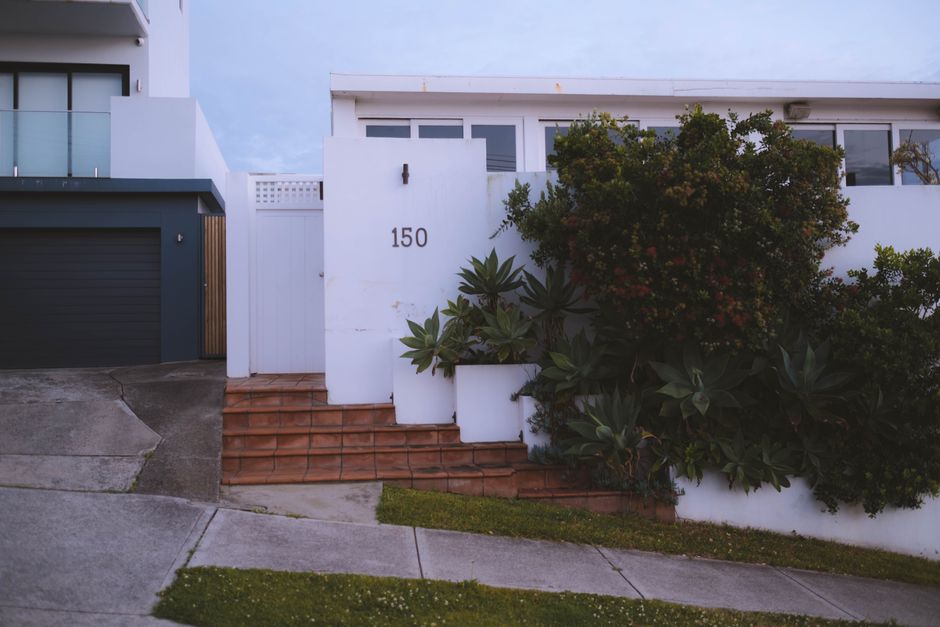
With Victoria's median unit price hovering near $620,000 and rental yields compressed across most inner suburbs, investment property owners are increasingly scrutinising tax minimisation strategies—particularly depreciation schedules that can unlock thousands in annual deductions.
A depreciation schedule is a formal ATO-approved assessment of building and plant deterioration over time. Unlike capital works allowances claimed in bulk, a detailed schedule identifies individual assets—kitchen appliances, flooring, fixtures, bathrooms—and their respective depreciation rates, often yielding significantly higher deductions in early ownership years.
"The difference between a generic claim and a proper schedule can be $3,000 to $8,000 annually, depending on property age and condition," explains Sarah Chen, tax strategist at a leading Melbourne accounting firm. "We're seeing particular gains in Frankston corridor properties and older Bayside stock, where kitchens and bathrooms haven't been updated."
Consider a typical investor purchasing a renovated weatherboard in Bentleigh East—median values around $1.2 million. A comprehensive depreciation report might identify $45,000 in depreciable plant and fittings: new kitchen ($12,000), bathroom fit-out ($8,500), flooring ($9,000), and hot water system ($4,200). At standard rates, that yields $2,700-plus in year-one deductions, offsetting rental income tax.
The strategy works best for properties built pre-1985 or recently renovated. Properties in Elsternwick, Caulfield, and Brighton—where Victorian-era homes dominate—frequently reveal overlooked depreciation potential. Newer apartments around Southbank, however, offer less scope; post-2001 construction depreciation is already largely claimed.
Several caveats apply. The ATO scrutinises inflated valuations; reports must be conducted by qualified depreciation specialists ($400–$800 per property). Capital improvements claimed under depreciation cannot later be deducted as capital works. And if you sell, depreciation recapture tax applies—typically 37% of claimed amounts for higher-income earners.
Still, in Melbourne's tightening rental market—where gross yields on established suburbs average 3–3.5%—tax-effective strategies matter. A $600,000 unit yielding $18,000 annually generates slim margins; $4,000 in depreciation deductions can meaningfully improve serviceability and portfolio returns.
The message for Melbourne landlords: whether holding Frankston growth stock or inner-East character homes, a formal depreciation schedule is a legitimate, ATO-endorsed tool. With interest rates stabilising and yield compression ongoing, it's increasingly savvy management.
This article was compiled by AI from the sources linked above and screened before publishing. See our editorial standards.
About this article
Published by The Daily Melbourne
Daily brief
Free, in your inbox before 7am. Weekdays.
You might also like
Property

Property
Property
Property
Free daily briefing