The tension is palpable on Toorak Road in Hawthorn East. A proposal for a nine-storey residential tower above existing shops has sparked petitions, council objections and heated community meetings—yet the developer argues the site perfectly fits state government planning targets and could deliver 80 new homes in a walkable precinct.
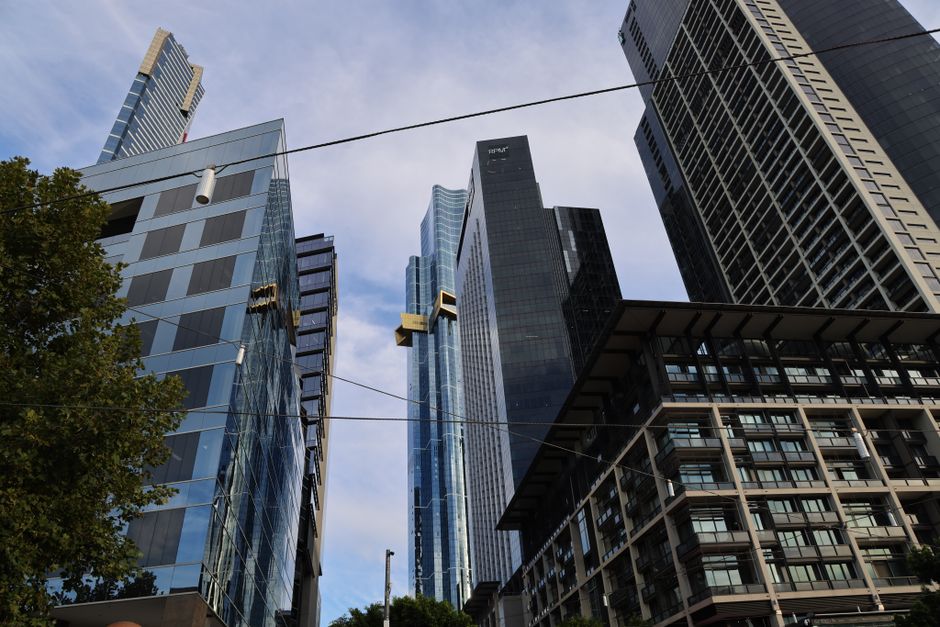
This scene repeats across Melbourne. From Chapel Street in South Yarra to High Street in Thornbury, new development applications are igniting community opposition that reveals a fundamental clash: how do we accommodate Victoria's booming population while respecting the character of established suburbs?
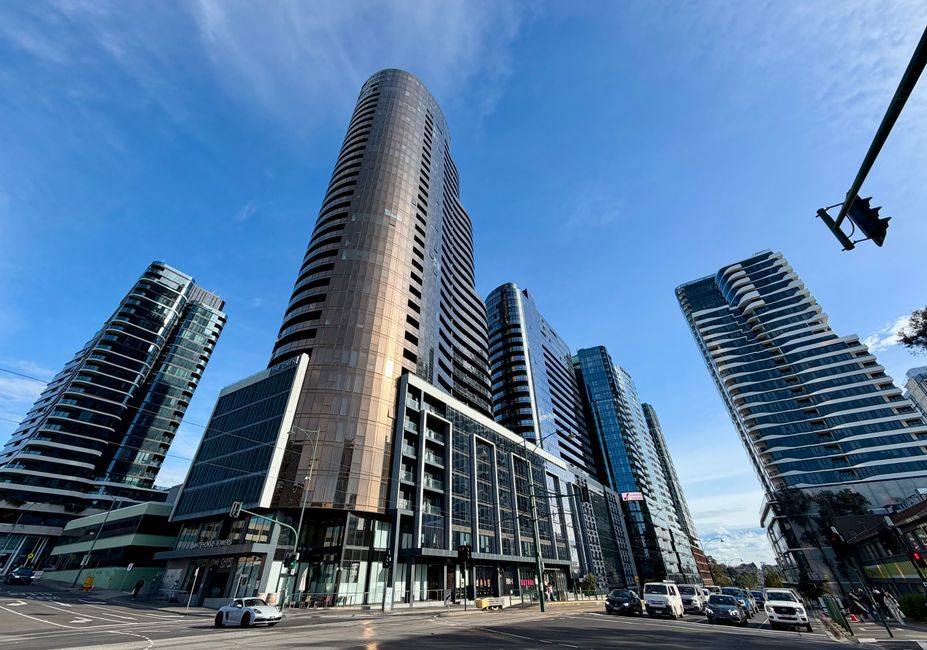
The pro-development argument is straightforward. Victoria's population is projected to exceed 8 million by 2051. With median house prices hovering around $920,000 and units at $620,000, supply constraints are acute. Developers point to state government zoning reforms encouraging medium-to-high density near transport and shops. "We're not building luxury penthouses," one Fitzroy developer told this publication. "We're delivering apartments families can actually afford." A new four-bedroom townhouse in the Frankston corridor, once written off, now routinely clears $780,000—evidence of demand pressure spreading outward.
Community objections, however, resonate beyond mere nostalgia. Local residents cite genuine concerns: inadequate parking provision (newer developments often assume 0.5 spaces per dwelling), strain on local schools and medical services, and loss of tree canopy. In Bentleigh East, where property values have climbed 12% annually, residents argue that tower developments will overwhelm neighborhood character and existing infrastructure. A recent proposal near the Glen Waverley railway line faced 400+ objections citing traffic and reduced sunlight to existing homes.
But there's nuance here worth examining. Many objectors aren't anti-development—they're demanding better planning. Community consultation is often cursory; parking requirements aren't always enforced; and local councils sometimes lack resources to assess cumulative impacts across multiple projects.
Melbourne's best outcomes emerge where both sides engage early. Cremorne's mid-rise apartment precincts succeeded partly because developers included public open space, underground parking, and community facilities. Residents accepted change because they shaped it.
The friction won't disappear. Victoria needs 300,000+ new homes by 2051, and most must go within existing suburbs. The question isn't whether development happens—it's whether communities have genuine voice in shaping it. Councils must balance planning efficiency with authentic consultation. Developers must deliver liveability, not just density.
As Melbourne grows, these debates will only intensify. The suburbs that thrive will be those where both sides—reluctantly, perhaps—find common ground.
This article was compiled by AI from the sources linked above and screened before publishing. See our editorial standards.