How PropTech is Reshaping the Way Australians Buy Property
From AI-powered valuations to virtual inspections, technology is fundamentally changing the property purchase journey—and Melbourne's market is leading the charge.
3 min read
From AI-powered valuations to virtual inspections, technology is fundamentally changing the property purchase journey—and Melbourne's market is leading the charge.
3 min read
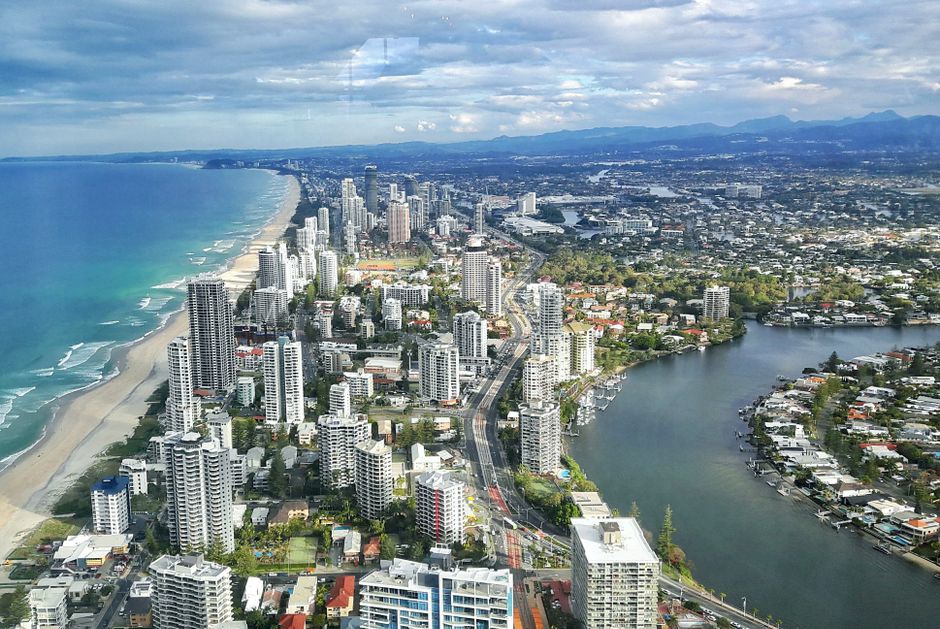
The Melbourne property market has always moved fast, but the rise of property technology is accelerating the pace to unprecedented levels. With Victoria's median house price sitting around $920,000 and units averaging $620,000, buyers and agents are increasingly turning to digital tools to navigate an increasingly complex landscape.
Virtual inspection technology has become mainstream, particularly in Melbourne's sought-after pockets like Bayside suburbs and the Inner East, where competition for viewings remains fierce. Prospective buyers can now conduct 3D walkthroughs of properties in Toorak or Camberwell from their desks, saving hours of travel time. This shift has proven especially valuable for interstate and international investors tracking the Frankston corridor's growth trajectory—a region that's attracted significant attention from developers and first-home buyers alike.
Artificial intelligence is transforming valuation models. Rather than relying solely on comparable sales data, proptech platforms now analyse hundreds of variables: proximity to parks like Albert Park, transport links to the CBD, school catchment zones, and even neighbourhood sentiment from social media. This granular approach is democratising property investment, allowing informed buyers to challenge outdated valuations and negotiate more effectively.
Auction platforms deserve particular mention. Melbourne's high auction volumes have found a natural home in digital bidding environments. Platforms now allow registered bidders to participate remotely, expanding buyer pools for properties from Bentleigh East to Brighton. This increased transparency is placing downward pressure on undisclosed reserve prices, benefiting serious purchasers.
However, proptech's impact isn't uniformly positive. First-home buyers—already the market segment most exposed to affordability headwinds—face new challenges. While technology lowers transaction friction, it also encourages rapid decision-making and FOMO-driven bidding. The proliferation of market data means less information asymmetry, yet paradoxically, analysis paralysis has become a real barrier for hesitant newcomers.
Predictive analytics platforms are another game-changer. They forecast price movements across suburbs with remarkable accuracy, helping investors identify emerging corridors before mainstream media catches on. The Frankston corridor's recent momentum was partly amplified by such platforms signalling value opportunities.
As we head into Melbourne's winter auction season, expect proptech adoption to accelerate further. Agents who embrace digital tools are already reporting faster sales cycles and higher clearance rates. For buyers, the message is clear: understanding these technologies isn't optional—it's essential to compete effectively in today's market.
The future of Australian property isn't just about bricks and mortar anymore. It's about data, algorithm, and digital fluency.
This article was compiled by AI from the sources linked above and screened before publishing. See our editorial standards.
About this article
Published by The Daily Melbourne
Daily brief
Free, in your inbox before 7am. Weekdays.
You might also like
Property

Property
Property
Property
Free daily briefing