The New Downsizer Hotspot: Where Empty Nesters Are Trading the Family Home
As empty nesters seek lower maintenance and investment returns, a cluster of inner-Melbourne suburbs is emerging as the unlikely champion of the downsizer market.
2 min read
As empty nesters seek lower maintenance and investment returns, a cluster of inner-Melbourne suburbs is emerging as the unlikely champion of the downsizer market.
2 min read
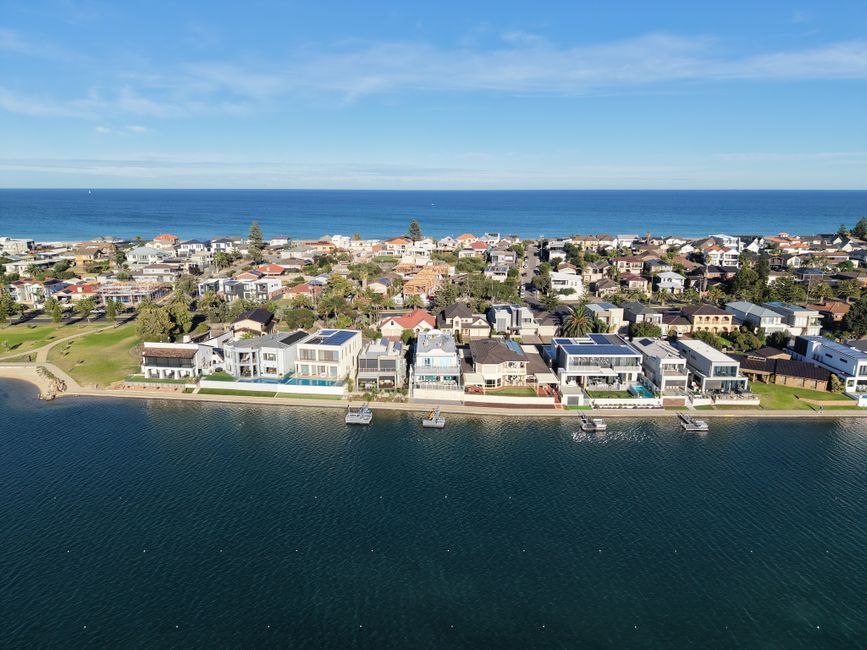
For decades, downsizing meant one thing: the retirement village or the regional tree change. But Melbourne's property market has rewritten that script. Today's empty nesters aren't fleeing the city—they're simply moving sideways, into a growing cohort of suburbs offering something the family home never could: capital growth without the four-bedroom upkeep.
The trend is most pronounced in the Bayside corridor, where suburbs like Brighton, Bentleigh East, and Moorabbin are quietly absorbing waves of downsizers seeking low-maintenance apartments and townhouses. A two-bedroom, two-bathroom apartment in Bentleigh East now hovers around $750,000–$850,000, significantly less than the $1.8–$2.2 million median for a comparable family home in nearby Camberwell or Glen Waverley. For sellers of $2 million-plus properties, that capital release is compelling.
"The maths works," explains one Bayside agent who has handled dozens of downsizer transactions this year. "They sell their four-bedroom in the Inner East, pocket $600,000–$800,000 in equity, and move into something modern, secure, and near the beach. They're not losing money. They're optimising."
What makes these suburbs particularly attractive is their infrastructure maturity. Bentleigh's proximity to the shopping precinct, excellent public transport links on the Sandringham Line, and established parks like Corrigan Reserve appeal to downsizers who value walkability. Brighton offers the additional draw of bay access and cosmopolitan dining on Bay Street. Moorabbin, slightly further out, attracts budget-conscious movers while maintaining similar connectivity.
The Frankston corridor—Box Hill, Blackburn, and Mitcham—is also emerging as a secondary downsizer destination, offering even lower entry points (median units under $600,000) with solid growth prospects as the Pakenham corridor extends employment hubs southward.
Empty nesters cite three key motivations: capital efficiency, reduced maintenance responsibility, and rental yield potential. Many retain their downsized property as an investment while relocating interstate or internationally during retirement, transforming what was once a lifestyle decision into a strategic financial move.
Winter auction volumes remain elevated across these suburbs, with vendors capitalising on spring sentiment still lingering. For downsizers, the timing is opportune—sufficient stock to choose from, but not oversupply. For investors watching the first-home buyer squeeze, downsizer-friendly corridors like Bentleigh East and Brighton represent a more resilient market segment: buyers with genuine equity, lower mortgage stress, and demographic tailwinds as the population ages.
The downsizer, it seems, has finally discovered their edge.
This article was compiled by AI from the sources linked above and screened before publishing. See our editorial standards.
About this article
Published by The Daily Melbourne
Daily brief
Free, in your inbox before 7am. Weekdays.
You might also like
Property

Property
Property
Property
Free daily briefing