Melbourne's Housing Supply Pipeline: When New Homes Finally Arrive
Major residential projects across Melbourne's growth corridors promise relief for first-home buyers, but timing and affordability gains remain uncertain.
2 min read
Major residential projects across Melbourne's growth corridors promise relief for first-home buyers, but timing and affordability gains remain uncertain.
2 min read
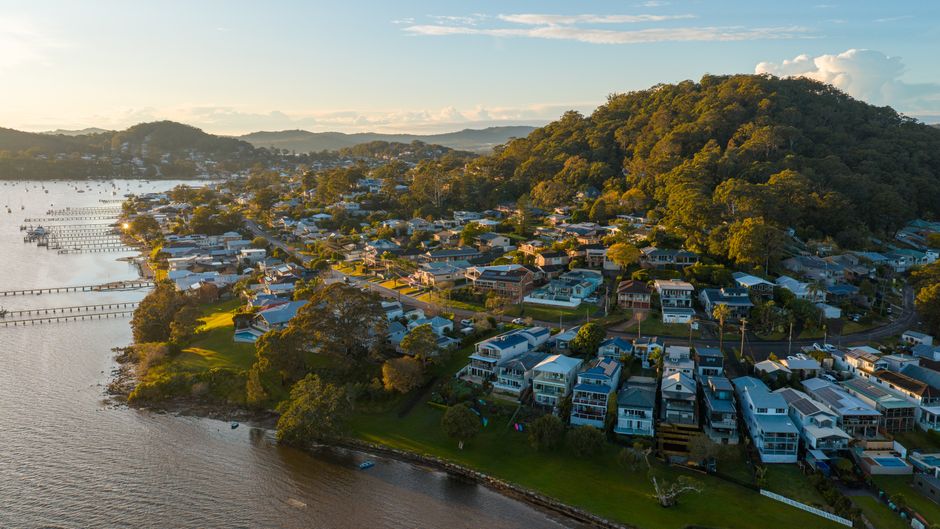
After years of undersupply and record migration pushing Victorian median prices to $920,000, Melbourne's property market is banking on a wave of new housing to ease pressure on first-home buyers. Yet the reality of when these homes materialise—and at what cost—tells a more complex story.
The Frankston corridor remains the standout. Projects along the Nepean Highway and within Frankston North are expected to yield over 8,000 dwellings across the next three to five years, underpinned by state government commitments to suburban intensification. Similarly, the Docklands and Southbank precincts continue to deliver apartment towers, though completion rates have proven slower than developer timelines suggest. Units averaging $620,000 across metropolitan Melbourne are driving this supply wave, but inner-east suburbs like Bentleigh East and Glen Waverley—where established homes command premiums—remain largely unchanged by new construction.
The Bayside corridor presents a different picture. Planning permits for medium-density housing around Brighton and Caulfield have accelerated, yet heritage overlays and local council resistance slow conversion from approval to foundation. Industry observers expect 2027 and 2028 to be critical years for completion rates.
Infrastructure remains the bottleneck. While the growing Frankston corridor benefits from existing rail links, new housing estates further out—such as precincts near Clyde and Officer—depend on transport upgrades scheduled well after residential occupation begins. First-home buyers chasing cheaper entry prices in these areas often face commute realities that older forecasts didn't adequately price in.
State and federal incentives have turbocharged approvals, particularly for builds under 75 square metres in inner suburbs. Yet construction costs have risen sharply, and developers are pricing new units with yields in mind, not necessarily affordability. A new one-bedroom in Footscray or Preston may undercut established housing by only 5–8 per cent—margin enough to matter, but not the circuit-breaker many expected.
The next 18 months will test whether supply genuinely dampens auction activity across winter markets. If completion rates hit forecasts, suburbs with major pipelines—Frankston North, Brunswick, and outer Docklands precincts—could see softened buyer competition by late 2027. Inner bayside and Bayside suburbs, by contrast, will likely remain premium-priced, supply notwithstanding.
For investors and first-home buyers alike, the supply pipeline's arrival isn't a binary event. It's a staggered release that will ease some market segments while leaving others relatively untouched.
This article was compiled by AI from the sources linked above and screened before publishing. See our editorial standards.
About this article
Published by The Daily Melbourne
Daily brief
Free, in your inbox before 7am. Weekdays.
You might also like
Property

Property
Property
Property
Free daily briefing