How much rent is too much? The 30% rule in practice
Melbourne renters are spending record amounts on accommodation, but the classic affordability benchmark reveals who's really stretched.
2 min read
Melbourne renters are spending record amounts on accommodation, but the classic affordability benchmark reveals who's really stretched.
2 min read
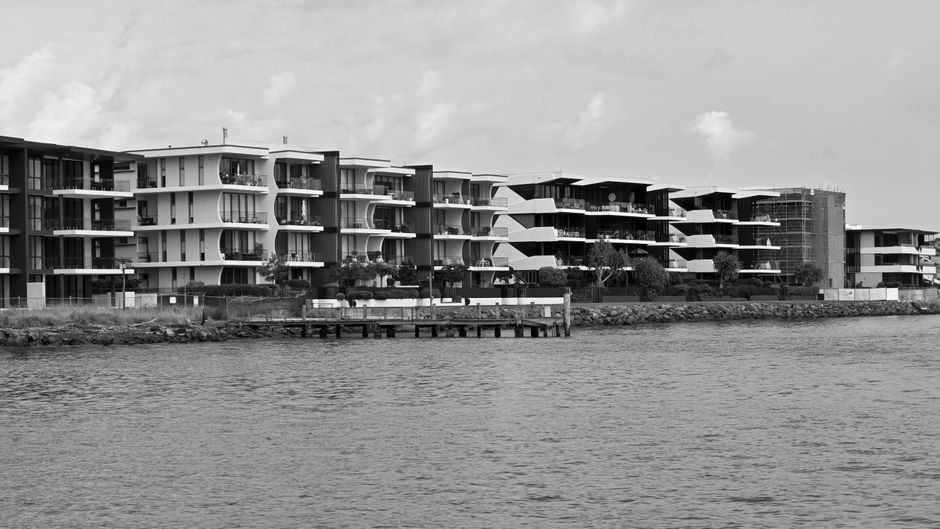
The 30% rule is simple: spend no more than 30% of your gross income on rent. For decades, it's been the gold standard for housing affordability. But in 2026 Melbourne, it's becoming a luxury many renters simply can't afford.
Consider a practical example. A couple earning a combined $120,000 annually should, by the rule, spend no more than $3,000 per month on rent. In inner suburbs like Fitzroy or Carlton North, a two-bedroom apartment now easily commands $2,400–$2,800. Add parking, utilities, and insurance, and they're already at the limit before groceries or transport.
Move further out to Frankston or the growing Bayside suburbs, and the story shifts slightly. A two-bedroom in Mentone might rent for $1,900–$2,200, pulling families back toward the 30% threshold. Yet migration demand and the Frankston corridor's popularity are pushing prices upward faster than wage growth.
Real estate agents report tenants routinely breaching 35–40% of income toward rent. Single renters are worst hit. Someone earning $60,000 annually faces a brutal squeeze: a modest one-bedroom in Collingwood or South Yarra ($1,600–$1,800) represents 32–36% of gross income before tax.
The rule's weakness is clear: it assumes stable employment and no competing financial pressures. A renter paying 32% on rent has little buffer for car repairs, medical costs, or saving for a home deposit—the very goal that makes renting temporary rather than permanent.
Melbourne's median unit price hovering near $620,000 means first-home buyers need substantial savings or parental help. Paying above-30% rent makes that deposit feel impossibly distant. Many younger renters in Footscray, Sunshine, or Preston are caught in a trap: priced out of ownership, squeezed by rental costs, unable to build equity.
Financial advisors increasingly acknowledge the rule's limitations in high-demand markets. Some suggest 25% is more realistic for genuine financial health, especially for those saving simultaneously. Others argue location matters more than the percentage—paying 35% in affordable, transport-connected suburbs like Coburg or Northcote might offer better long-term prospects than 28% in increasingly expensive outer areas.
The Melbourne rental market's tightness means the 30% rule remains aspirational rather than achievable for many. The real question isn't whether the rule applies—it's whether renters can afford to follow it, and what happens when they can't.
This article was compiled by AI from the sources linked above and screened before publishing. See our editorial standards.
About this article
Published by The Daily Melbourne
Daily brief
Free, in your inbox before 7am. Weekdays.
You might also like
Property

Property
Property
Property
Free daily briefing