Off-the-plan vs established: first home buyer comparison
New builds offer grants and no stamp duty, but established homes in growth corridors provide immediate equity—here's what Melbourne first home buyers need to weigh up.
3 min read
New builds offer grants and no stamp duty, but established homes in growth corridors provide immediate equity—here's what Melbourne first home buyers need to weigh up.
3 min read

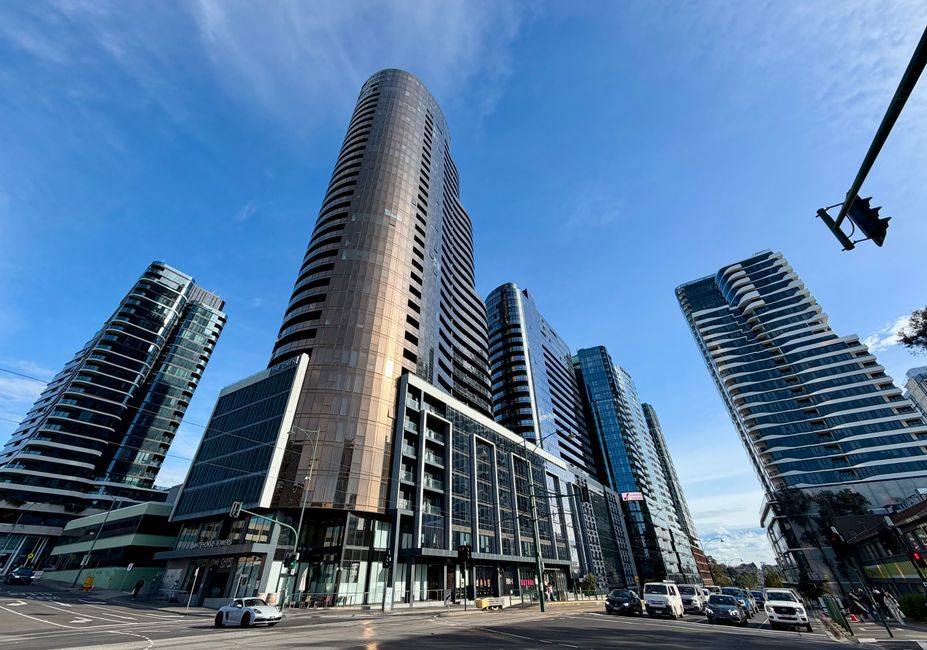
For first home buyers navigating Melbourne's $920,000 median market, the choice between a gleaming off-the-plan apartment in Southbank and a weatherboard cottage in Frankston can feel like comparing apples to oranges. But the maths—and the grants—tell a sharper story.
Off-the-plan purchases remain the pathway of least financial resistance. A three-year-old buyer in Victoria purchasing a new build under $750,000 qualifies for First Home Owner Grant of up to $20,000, plus full stamp duty exemption on both the purchase and mortgage registration. On a $600,000 off-the-plan unit in Docklands or South Yarra, that exemption alone saves roughly $18,000—real money when your serviceability is already stretched.
Developer incentives sweeten the deal further. Many projects in growth zones like Southbank and along the Frankston corridor still offer upgrades, parking credits, or extended settlement terms. The psychology matters too: you're locking in a price before construction concludes, and that price certainty helps mortgage brokers assess your capacity.
But established homes—particularly in the Frankston-Carrum Downs corridor and suburbs like Bentleigh East, where buyers are seeing steadier growth—come with hidden first-buyer advantages. You own equity immediately, not in 18 months. Your $500,000 purchase price reflects genuine comparable sales. And crucially, you sidestep defects liability risks and the uncertainty of developer solvency, which looms larger when construction timelines slip.
Established homes also qualify for First Home Owner Grant ($20,000), though you'll pay stamp duty—approximately $25,000–$30,000 on a $550,000 purchase. The net cost is higher, but you're buying in neighbourhoods with established amenity: proximity to Princes Park in Bentleigh, or the rail network in Frankston.
The real tension emerges when you factor in serviceability. Many lenders now distinguish between off-the-plan and established properties when calculating borrowing capacity, particularly if construction stretches beyond two years. A delay flips your serviceability assumption entirely.
First home buyers most exposed to market swings—those borrowing above 90 per cent—may find established homes in growth corridors offer better downside protection. A $550,000 Carrum property with genuine comparable sales and established rental demand provides clearer resale pathways than a $600,000 Docklands studio waiting for tenant demand to materialise.
The grants and tax breaks favour new builds, but they shouldn't overshadow due diligence. Get a building inspection on anything established. Stress-test serviceability scenarios on off-the-plan purchases. And don't let developer marketing substitute for suburb fundamentals: population growth, employment nodes, and school accessibility matter more than a designer kitchen in three years' time.
This article was compiled by AI from the sources linked above and screened before publishing. See our editorial standards.
About this article
Published by The Daily Melbourne
Daily brief
Free, in your inbox before 7am. Weekdays.
You might also like
Property

Property
Property
Property
Free daily briefing