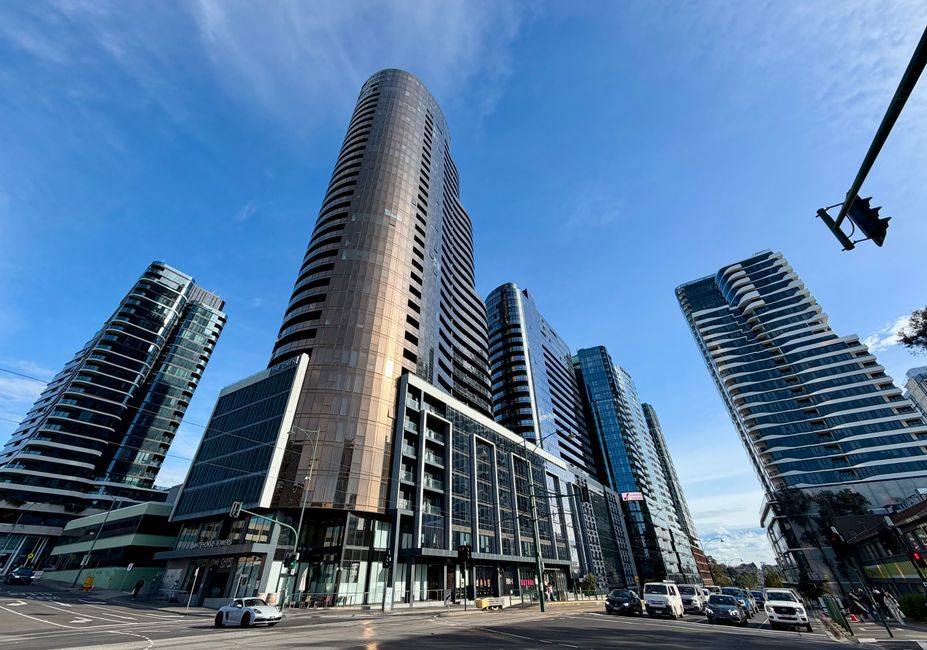
A 12-storey mixed-use tower proposed for a car park on Church Street, Richmond has sparked a petition with 2,400 signatures. Two suburbs over, residents of Northcote are mobilising against plans for a six-storey development near High Street. Meanwhile, Frankston's rapid growth corridor continues to attract major projects that divide locals.
These aren't isolated skirmishes. With Victoria's median house price holding around $920,000 and units at $620,000, Melbourne is under relentless development pressure. Planning applications in established suburbs have surged, and so has community pushback—creating a predictable clash that reveals two genuinely competing visions for the city's future.
The residents' case
Objectors rarely oppose housing outright. Instead, they cite specific concerns: overshadowing of parks like Burnley Park or local reserves; parking pressure on already congested streets; and strain on schools, GP clinics and public transport. A development in Balwyn North last year saw 800 objections filed, with many citing the Koonung Creek Trail's proximity and traffic impacts on Mountain Highway.
"We're not NIMBY," one Hawthorn resident told council planners. "We just want growth that matches infrastructure." That frustration is real. Melbourne's outer suburbs grew 2.3 per cent annually over five years; inner suburbs closer to 1.5 per cent. Yet planning often moves faster than council services.
The developer perspective
Builders and housing advocates counter that opposition is essentially gatekeeping. They note Victoria needs 70,000 additional homes per year to meet migration and first-home buyer demand. Without infill development in accessible suburbs—not just greenfield sprawl to Pakenham and beyond—prices stay stratospheric and renters squeeze further.
A recent report from the Urban Development Institute argues that "community objections, however well-intentioned, regularly delay projects by 18-36 months, inflating construction costs and pushing final housing prices higher." They cite a Coburg apartment complex delayed four years by objections, eventually approved with minimal changes.
Where the middle ground sits
Progressive planners suggest the answer lies in pre-development engagement and transparent guidelines. Some councils now require developers to host information sessions before lodging applications. Bayside councils have begun publishing "development frameworks" showing exactly where medium-density housing is acceptable.
The tension won't disappear. Melbourne genuinely needs both housing supply and liveable neighbourhoods. But as suburbs from Frankston to Camberwell face their next wave of applications, residents and builders would benefit from recognising: both sides have legitimate claims on the city's future.
This article was compiled by AI from the sources linked above and screened before publishing. See our editorial standards.