Melbourne's art world is watching a quiet shift. The city's established galleries—ACCA, the NGV, and established commercial spaces along Fitzroy Street in St Kilda—are still drawing crowds. But the momentum is building elsewhere, in artist-run collectives around Collingwood and Abbotsford, in pop-up venues along Chapel Street, and in the growing network of independent curators who are spotting talent before the major institutions do.
This matters now because the Australian art market is cooling. According to the Australian Art Market Report published by the Australian Galleries Association in 2025, sales through major commercial galleries dropped 12 percent year-on-year, with younger collectors hesitating to make big purchases amid economic uncertainty. The property slowdown affecting first-home buyers is also hitting artists who rely on side income and affordable studio space. Yet this squeeze is forcing a creative reckoning: galleries are doubling down on emerging voices rather than betting everything on established names.
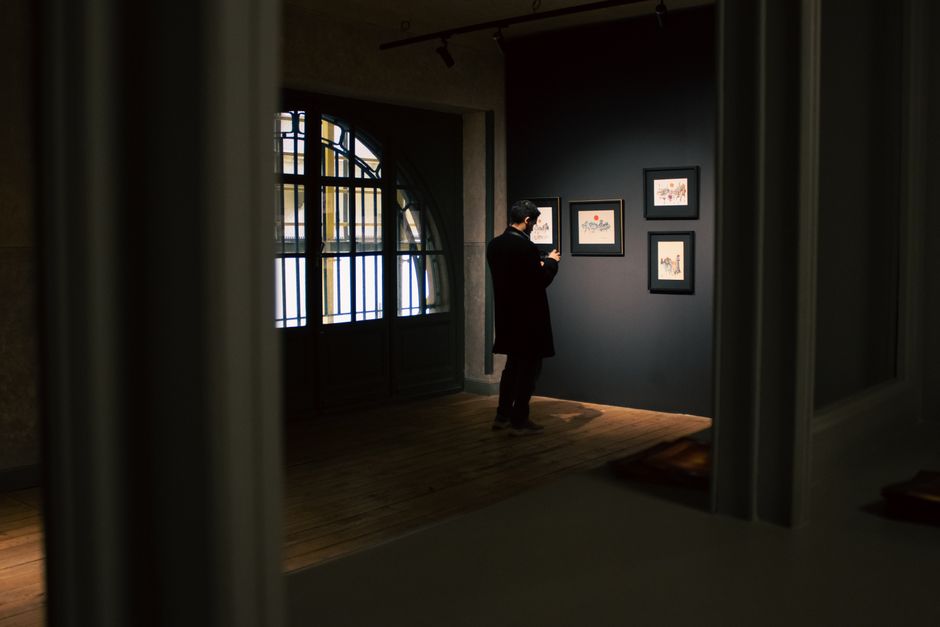
Take Utopia, the artist-run space tucked into a laneway off Brunswick Street in Fitzroy. Since opening in March 2024, it's hosted 14 shows featuring artists in their twenties and early thirties—many of whom haven't shown in commercial galleries before. The space charges artists nothing to exhibit, relying instead on a membership model that costs $180 annually. Co-founder Maya Chen says the model works because emerging artists can't afford $2,000-plus in hire fees that commercial galleries sometimes demand. "We're seeing painters, video artists, and installation people who would otherwise be invisible," she said in a phone conversation this week.
The NGV's recent expansion of its Emerging Artist Program has also shifted the dial. The program, which provides studio space and exhibition opportunities, expanded from 12 artists annually to 24 starting in 2026. The institution is also allocating $400,000 from its annual acquisitions budget specifically to works by artists under 35, signalling that emerging talent is no longer a side project.
Where the real discovery is happening
Commercial galleries are taking notice. This year, at least six Melbourne galleries—including ones on High Street in Prahran and around the Southbank precinct—have explicitly adjusted their roster toward artists with fewer than five solo shows under their belt. Some are offering lower commission rates (as low as 30 percent instead of the traditional 50 percent) to younger practitioners. "We're not being charitable," said one gallery director who declined to be named. "We're betting on appreciation. An artist we show now at 26 could be the story in five years."
The city's public institutions are amplifying this. Next month, the Ian Potter Centre at the NGV will open a dedicated "New Voices" section, rotating works by five emerging artists every eight weeks. Melbourne's Gertrude Contemporary, the artist-run initiative in Gertrude Street, Fitzroy, has also announced it will double its annual grants pool to $60,000, distributed among 12 emerging practitioners each year. For context, the average artist grant in Victoria is still under $5,000, so competition remains brutal.
Data tells part of the story. A 2025 survey by the Australian Artist Support Network found that 41 percent of emerging visual artists in Victoria earn less than $15,000 annually from their practice—a drop of 8 percent from 2023. But 67 percent reported increased exhibition opportunities through artist-run and independent venues over the same period. The math is simple: scarcity of paid work is driving artists toward spaces that cost less to access.
What comes next
If you're watching Melbourne's art scene, the next 18 months matter. Several artist-run collectives are planning to formalise their operations, moving from laneway pop-ups to longer-term leases. Utopia is scouting a second location. ACCA is launching a mentorship program pairing emerging artists with established practitioners. And collectors willing to take risks—picking up a $1,500 work by a 28-year-old over a $15,000 work by someone already in surveys—will shape what gets remembered as the defining art moment of this decade.
The city's young artists aren't waiting for permission anymore. They're building the infrastructure themselves, and the establishment is finally catching up.