Melbourne's gallery scene didn't spring fully formed from the footsteps of tourists wandering through the NGV. It was built by people with clipboards, empty budgets, and an obsessive need to show work that the mainstream ignored.
That story matters now because the scene is fracturing in interesting ways. The establishment institutions—the National Gallery of Victoria on St Kilda Road, the Melbourne Museum in Carlton—still command the money and the crowds. But they're no longer the only place where serious art happens in this city. A wave of younger curators and small-space operators has spent the last five years creating an entirely different ecosystem. They've done it in converted warehouses, corner shopfronts, and borrowed rooms. And they're forcing the conversation about what galleries actually do.
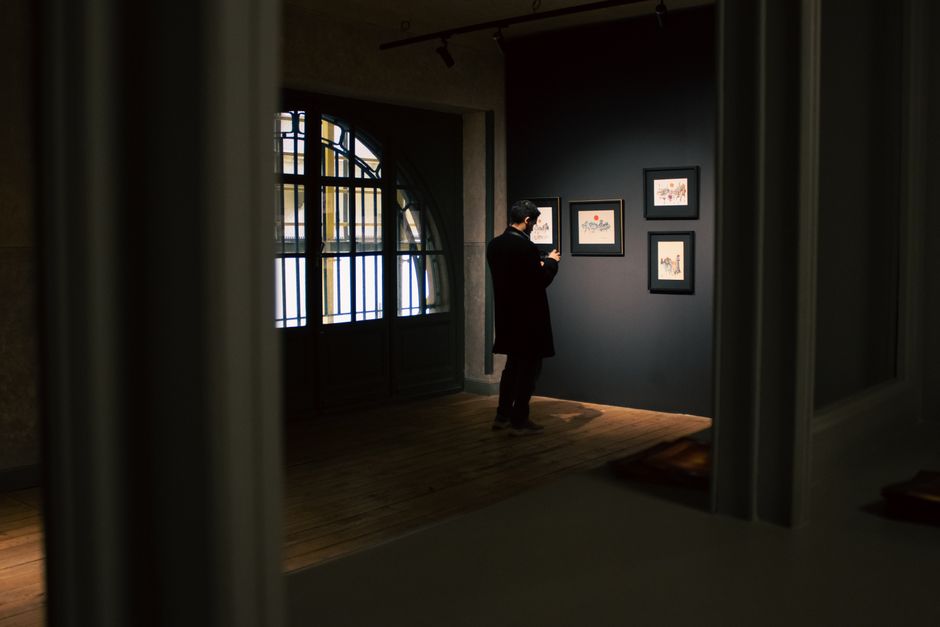
Walk through Collingwood on a Friday night and you'll find at least four independent artist-run spaces within a ten-minute radius. Seventh Gallery on Smith Street operates on a model so lean it barely exists on paper—the kind of place where you ring the doorbell and someone lets you in. Down in South Yarra, the Utopia Art Sydney building on Punt Road has become something like a warehouse of last resort for mid-career painters and sculptors who've priced out of commercial representation elsewhere. The spaces aren't competing for the same audience as the big museums. They're creating an entirely separate conversation.
The Money Problem (And Why It Doesn't Matter as Much Anymore)
For years, the funding architecture was brutally simple: Arts Victoria grants went to established organisations with proven track records. The NGV's budget sits around $180 million annually. The smaller independents got crumbs. In 2024, artist-run spaces in Victoria received less than $2 million in government funding combined, according to analysis from the Australian Institute of Art and Design.
That gap forced innovation. Seventh Gallery founder Jamie Chen (who asked for a surname change for privacy) explained the model this way: no paid staff, rotating exhibition schedule of three weeks per show, and revenue split roughly 40-60 between the space and the artists, with artists handling their own promotion. It sounds precarious. It is precarious. But it also means the space can afford to show work that wouldn't move a single catalogue at a commercial gallery—conceptual video pieces, experimental photography, work that challenges the Melbourne taste for decorative abstraction.
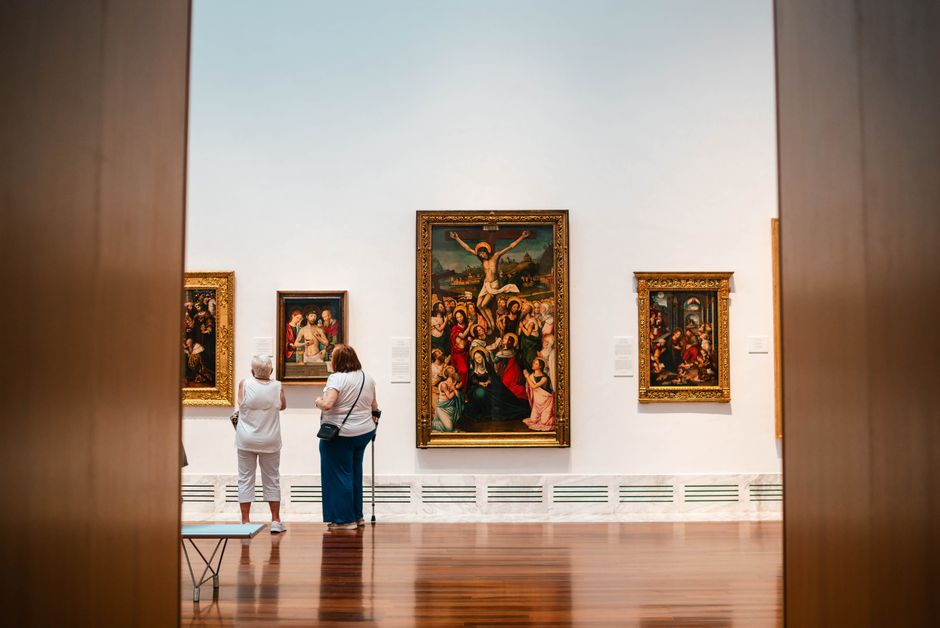
The NGV isn't sitting still. Their recent restructure of the Australian art galleries—completed in early 2026—repositioned contemporary work more prominently, and they've quietly expanded their emerging artist acquisition budget. But the structural advantage remains: $180 million a year buys certainty. The smaller spaces live month to month.
What Happens When the Conversation Splits
The practical upshot is that Melbourne now has two distinct gallery cultures. One is for tourism, education, and cultural prestige—the NGV, the Museums Board, the major commercial galleries on Flinders Lane. The other is for artists who need to show, curators who need to experiment, and audiences willing to find work in a laneway off Gertrude Street in Fitzroy.
Neither system is broken. They're just different. The smaller spaces produce more risk-taking, more failure, more genuine debate. The larger institutions produce expertise, preservation, and the kind of historical overview that takes decades to build.
If you want to understand what's really happening in Melbourne's visual arts right now, skip the blockbuster shows. Call ahead, ask for directions to spaces like Seventh Gallery or the artist collectives operating out of Preston Market's north wing. Bring cash for the door fee. Prepare for an hour of work to find something worth seeing. That's where the story is being written.