Melbourne's commercial gallery sector is entering a deliberate pivot toward emerging talent. Over the past eighteen months, three major dealer-run spaces on Gertrude Street in Fitzroy have expanded their emerging artist programs, while the Australian Centre for Contemporary Art on St Kilda Road announced a $2.1 million investment in a dedicated mentorship scheme launching this month.
The shift reflects a hard truth: younger collectors, particularly those priced out of the property market, increasingly direct discretionary spending toward art rather than real estate. Gallery owners report that visitors aged 25 to 40 now account for roughly 41 percent of weekday foot traffic, up from 28 percent in 2022. These buyers want to stake a claim in careers before artists become household names.
Gertrude Street, the spine of Melbourne's contemporary art neighbourhood, has become ground zero for this talent pipeline. Roslyn Oxley9 Gallery, which operates a Sydney flagship but expanded its Melbourne footprint in 2024, has dedicated its ground floor to works by artists who've shown in fewer than five institutional exhibitions. The program, dubbed "Early Hours," rotates every eight weeks. Current display includes abstract painter Stella Chen, whose layered resin works sell in the $3,200 to $8,500 bracket—accessible enough for first-time collectors but serious enough to suggest long-term market potential.
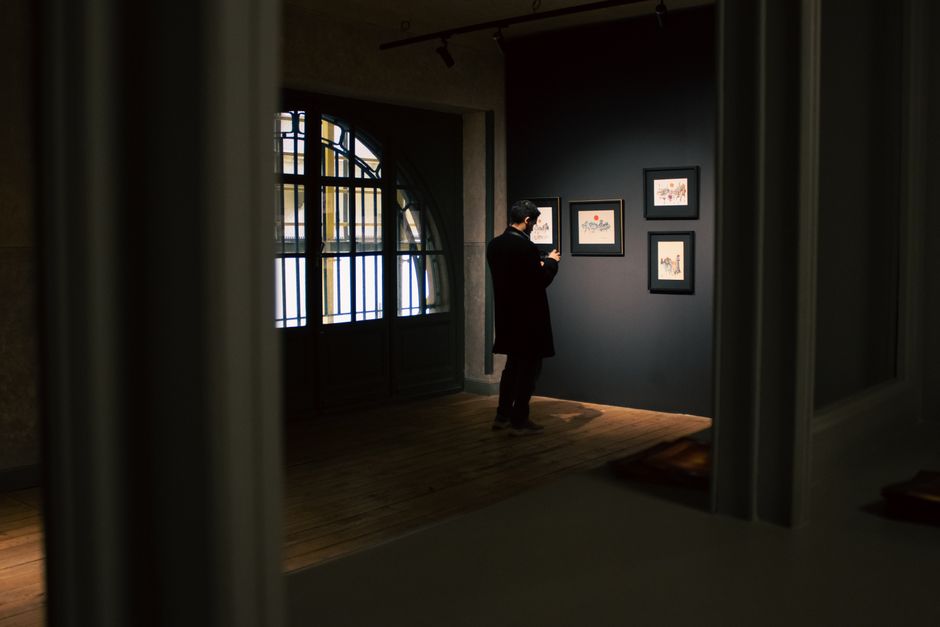
Two blocks south, the artist-run space Seventh Gallery operates without commercial pressure, relying on member contributions and grants from the Victorian Government's Creative Communities program. Its director, working artist Jamie Sutherland, says the space intentionally showcases work that won't appear in commercial galleries for another five to seven years. Recent shows have featured ceramic sculptor Marcus Webb and video artist Yuki Tanaka, both graduates of the VCA's postgraduate program who are still teaching part-time at secondary schools to cover rent.
Where the money is—and where it's going
The financial picture for emerging artists remains precarious. Arts Victoria's 2025 survey found that visual artists in Melbourne earn a median annual income of $18,600 from art-related work, forcing most to juggle multiple income streams. Yet institutional support has tangibly increased. The Ian Potter Centre, part of the National Gallery of Victoria, allocated $340,000 this financial year specifically for emerging artist commissions and acquisitions. The Melbourne University Museum, recently reopened after a two-year renovation of its Grattan Street location, has committed to programming four emerging artist residencies per calendar year, each carrying a $15,000 stipend.
Gallery owners and curators say the next wave will include artists working across media combinations—video, textiles, found objects—rather than traditional painting alone. Multi-disciplinary practice appeals to younger audiences sceptical of formal hierarchies within art forms.
How to actually find these artists
For collectors and curious visitors, the practical entry point remains straightforward. Gertrude Street's commercial galleries publish online viewing rooms updated fortnightly, with most allowing studio visits by appointment. Seventh Gallery operates on a pay-what-you-wish entry model Wednesday through Sunday. The Lively Group, a collaborative studio space in Brunswick, hosts an open studio event the first Saturday of each month, giving direct access to approximately thirty working artists in shared workspace.
Art fairs remain important too. The Melbourne Art Fair, held annually in August at the Royal Exhibition Building, reserves twenty percent of booth allocation for galleries representing artists with fewer than ten solo exhibitions. This August's fair runs August 15-17.
Melbourne's established collectors and institutions are placing deliberate bets on where this generation will take visual culture. The question now isn't whether these emerging voices will shape the city's art landscape—it's which ones will prove essential.