Most visitors arrive in Melbourne hunting for the famous laneways. They photograph Hosier Lane's street art, queue for brunch in Fitzroy, and leave thinking they've seen the city. They haven't. The real Melbourne—the one that mattered—lives in the Victorian mansions of Toorak, the gold-rush cottages of Collingwood, and the carefully preserved Parliament House on Spring Street where Australia's democracy was actually built before federation in 1901.
This matters now because Melbourne's heritage tourism remains a stubbornly overlooked opportunity. While the city trades on its reputation as a culture capital, visitors who bypass the historical landmarks miss the foundation story entirely. The Murdoch family didn't invent modern Australian media in a void; they worked in a city that had already been publishing newspapers and shaping public opinion since the 1840s. The current conversations about Australian identity, from Indigenous recognition to immigration policy, play out against centuries of choices Melbourne already made.
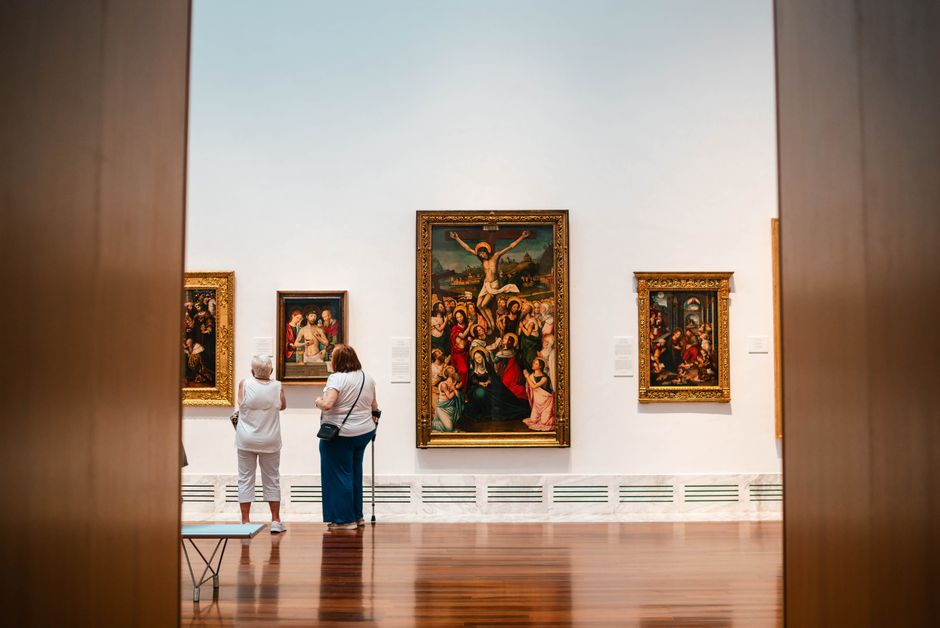
Start at the National Gallery of Victoria on St Kilda Road. Most people know it exists. Few realise the NGV International collection includes works from the 1870s that document how wealthy Melburnians saw themselves at the height of the gold rush—not as colonists, but as sophisticated cultural arbiters. The Australian collection downstairs tells a different story: from colonial portraits to contemporary Indigenous art that reframes the entire narrative. Entry to the permanent collections costs nothing. The special exhibitions run $25 to $35.
Walking distance away, the Old Melbourne Gaol on Russell Street forces a confrontation with harder truths. Built in 1845, it held the bushranger Ned Kelly before his execution in 1880. The site isn't quaint; it's genuinely unsettling. You stand in the cells where people awaited death. The death mask collection—actual plaster casts made from executed prisoners—sits in glass cases. It's uncomfortable in exactly the way good history should be. Tickets cost $18 for adults.
The Architecture That Made Melbourne
For genuine insight into how Melbourne built itself, the Italianate terraces around Carlton and the Federation-era mansions in Toorak reveal class hierarchies that still shape the city today. Rippon Lea Estate on Hotham Street in Elsternwick is a National Trust property that opens for guided tours. The 1868 mansion sits on three acres and demonstrates how one family's wealth, accumulated through manufacturing and land investment, translated into architectural permanence. Tours run Tuesday to Sunday, $12 to $14 per person.
The Melbourne Town Hall on Swanston Street, completed in 1887, remains functional. You can walk through for free during business hours and see the ballroom where the city's major cultural and political events still occur. The acoustic design is extraordinary—a 19th-century engineering achievement most visitors treat as a corridor.
According to the Victorian Heritage Database, Melbourne contains over 8,700 registered heritage places—more than any other Australian city. Yet the Tourism Victoria visitor survey from 2025 found that cultural heritage ranked fifth on the priority list for international visitors, behind dining, laneways, shopping, and live music. That gap reveals an audience ready to discover what Melbourne actually is, rather than what it performs as.
If you're planning a visit, allocate three days minimum for proper historical engagement. Day one: NGV International and the Old Melbourne Gaol. Day two: walk the CBD's Victorian architecture on Collins Street and Spring Street—the Parliament House tours are free but need booking ahead through the Victorian Parliament website. Day three: Rippon Lea or the Williamstown maritime district across the bay, where Victoria's shipping history remains visible in 19th-century warehouses now converted to galleries and restaurants.
Melbourne didn't become Australia's cultural capital by accident. It was built deliberately, expensively, and with absolute confidence in its own importance. That confidence still echoes through the buildings. The laneways are fun. But the heritage is where Melbourne actually tells you who it thinks it is.