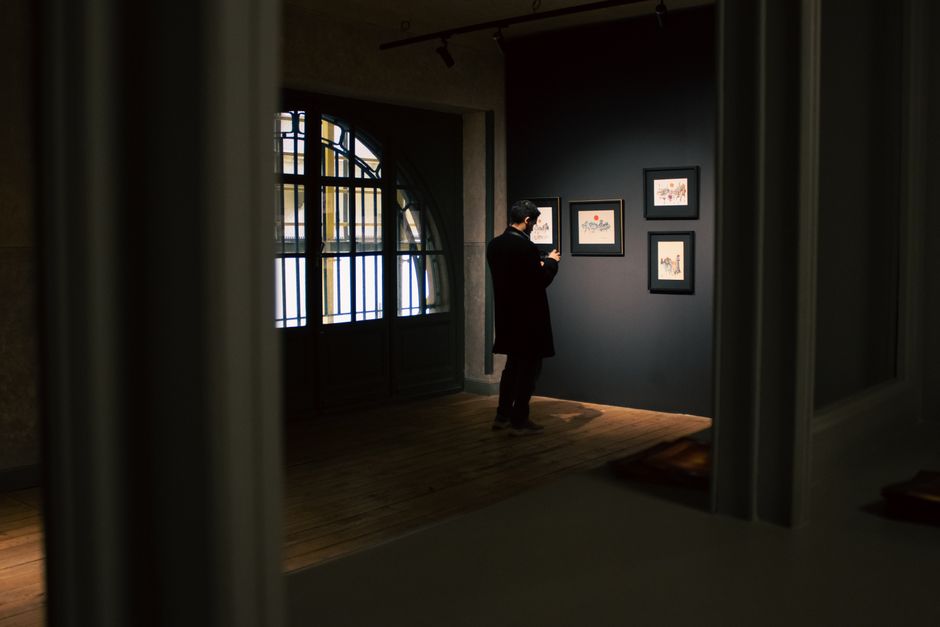
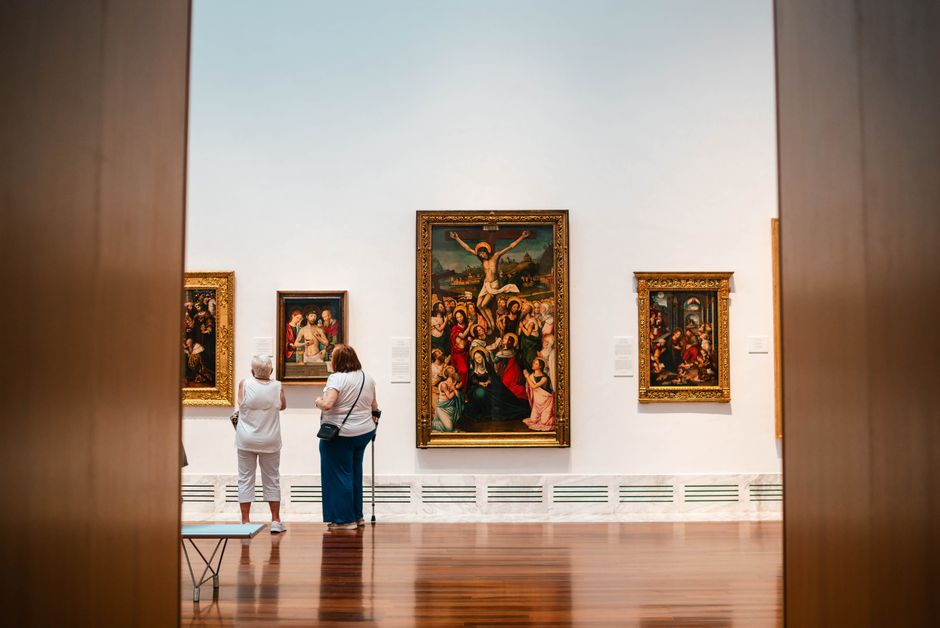
The Heritage Council of Victoria approved 47 new heritage listings in 2025, the highest number in a decade. That statistic sits behind a quieter revolution happening in Melbourne's creative suburbs: artists, designers, and cultural workers are no longer treating the city's industrial skeleton as backdrop. They're treating it as instruction manual.
This matters now because the conversation around Melbourne's identity has shifted. For years, the city sold itself on laneways, street art, and a kind of aspirational bohemia. Those things still matter. But walk through Collingwood, Brunswick, or Footscray in 2026 and you'll find something different. You'll find creators actively mining the city's 1920s manufacturing DNA, its red-brick warehouse districts, its failed textile mills and tanneries. They're not romanticising what was lost. They're asking what the architecture itself has to teach about making things, community, and constraint.
The Collingwood Neighbourhood House on Smith Street, which occupies a converted 1890s stable building, recently launched a public programming schedule explicitly framed around "learning from industrial heritage." Between June and September, the program runs ten community art workshops in spaces that once housed leather workers and coach builders. "We're not pretending the past is romantic," says the director of community partnerships there. "People made things in these buildings under brutal conditions. But they made things. That's different from what we do now—we consume content. The architecture asks: what would it mean to make something real again?"
Where the old industries shaped new ones
The Brunswick Street Precinct, stretching through Fitzroy and Collingwood, contains 143 properties on the Victorian Heritage Register. Developers have been circling for five years. But cultural institutions have moved faster. The Gertrude Contemporary expanded its footprint in 2024 by leasing a former knitting factory on Gertrude Street. Rather than gut it, the gallery kept the original timber joists and industrial lighting. Current programming includes a residency for textile artists, a direct echo of what the building's previous occupants did for 60 years.
The Abbotsford Convent, occupying 5.5 hectares of heritage gardens and Victorian Gothic buildings near the Yarra River, shifted its entire strategic direction in 2024 toward what it calls "heritage stewardship programs." The convent now runs quarterly workshops teaching heritage conservation skills to young people in outer suburbs—places like Sunshine and Dandenong where property developers are eyeing mid-century light industrial zones. The convent trains 120 people annually in building restoration, timber repair, and heritage documentation.
Data from the City of Melbourne's cultural mapping project, released in March 2026, showed that 34 percent of active artist studios in the municipality are now located in heritage-listed buildings, up from 18 percent in 2018. Rental prices for heritage spaces averaged $380 per week in June 2026, compared to $560 for new-build creative precincts in Docklands. The differential is starting to matter for artists' economics.
What cultural identity actually means now
The shift reflects something deeper than nostalgia or real estate arbitrage. Melbourne's creative reputation took a hit during the pandemic and the years after. Sydney grabbed headlines. Brisbane got Olympic planning money. Melbourne was left explaining why laneways and laneway coffee were enough. They weren't.
The heritage pivot offers something more substantial: a theory of how a city works. It says that Melbourne doesn't need to invent its cultural identity. It needs to listen to what's already embedded in the brick and steel. That's turned out to be a powerful recruitment tool for the institutions using it. The Gertrude, Abbotsford, and smaller collectives like Textile Arts Center on Johnston Street in Collingwood have all reported increased applications from interstate and international artists interested in "working with industrial heritage contexts."
If you're looking to understand where Melbourne's cultural future is heading, the place to watch isn't the CBD or the new arts precincts. It's the inner-west industrial strips where heritage protection orders are being filed faster than demolition notices. That's where the city is actually thinking about what it wants to make, and who it wants to be.