Melbourne's Festival Calendar Has Completely Reinvented Itself—And the City Is Still Catching Up
From the austere arts programming of the 1990s to today's sprawling cultural marketplace, how a changing city remade its event calendar.
4 min read
From the austere arts programming of the 1990s to today's sprawling cultural marketplace, how a changing city remade its event calendar.
4 min read
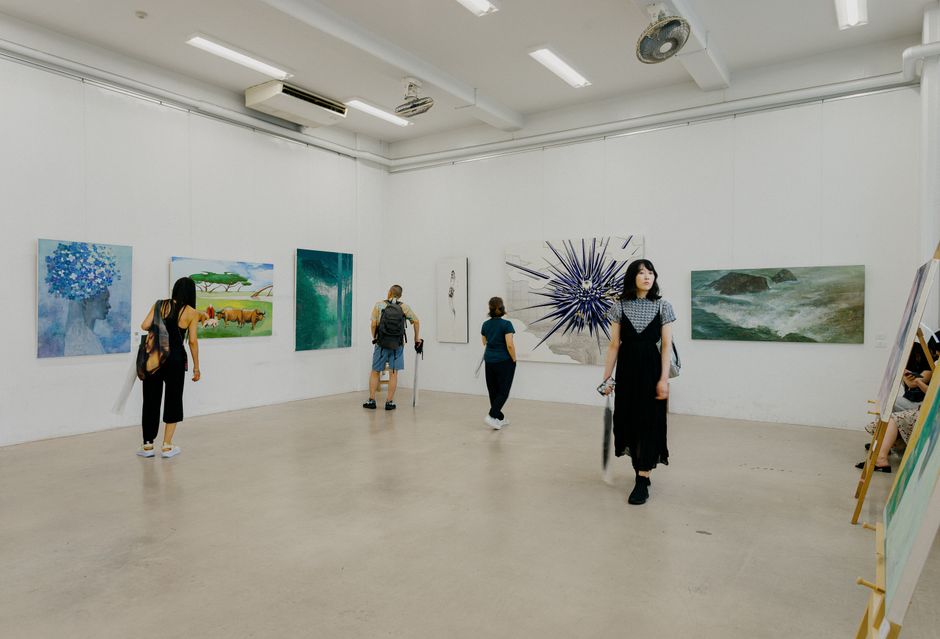
Melbourne's festival season used to arrive like clockwork: October for the arts, March for comedy, summer for the fireworks. That calendar is gone. What replaced it is messier, more fragmented, and frankly more exhausting to navigate—but it reflects a city that has stopped waiting for official permission to celebrate itself.
The shift accelerated after 2020, when lockdowns flattened the event economy entirely. When venues and organisers returned, they discovered audiences had scattered. Some had moved interstate. Others had found entertainment at home. The old model—rely on three or four major festivals to anchor the year—no longer worked. So Melbourne's cultural institutions adapted. They fractured. They multiplied. They started competing for attention on Instagram instead of in the Age's what's-on pages.
The change is visible if you walk from the Arts Centre on St Kilda Road to the Southbank Promenade. The Arts Centre still hosts the Melbourne International Comedy Festival in March and stages classical programming year-round. But now the surrounding precinct feels more like a permanent market than a seasonal destination. Pop-up events, merchandise stalls, and limited-run experiences occupy the space where once there would have been quiet winter months. The same pattern repeats at Fed Square, where the Melbourne International Film Festival still anchors August, but the plaza hosts programming almost every weekend regardless of the official festival calendar.
The numbers tell the story. In 2015, the city hosted roughly 15 major festivals and events with attendance tracking in the tens of thousands. By 2024, the Victorian Events Industry Association counted 47 significant festivals operating across the metropolitan area, from niche gatherings to city-wide spectacles. The average attendance per event dropped, but total footfall increased by 34 per cent across the calendar year.
Venues adapted or disappeared. The original Comedy Festival relied on about 60 venues; today it uses over 100, many of them converted office spaces in the CBD, pubs in Carlton, and converted warehouses in Northcote and Collingwood. The economics changed too. Where once a venue might host a 10-day run, now they host three-week rotations of different acts. The profit margins tightened. Some venues couldn't survive it.
But new ones emerged. Fortyfivedownstairs in Flinders Lane, which opened in 2019, became a model for how smaller venues operate in the new calendar: multiple shows nightly, flexible programming, digital ticket sales driving walk-ups. The Astor Theatre in St Kilda, after closing for two years, reopened in 2023 with a hybrid model combining film festival programming with live performance and corporate events.
Summer used to be quiet. December through February meant school holidays, outdoor events on the South Lawn of the Exhibition Building, and not much else. Now it's crowded. The Midsumma Festival expanded from a two-week queer arts event in February into a six-week initiative starting in January. Restaurants host pop-up festivals. Gardens program nightly performances. The Australian Open in January dominates the calendar, but it no longer dominates alone.
Winter remains the city's cultural season, but the anchor events face pressure. The Melbourne International Arts Festival still runs in October, but competing with smaller, more nimble events has forced it to become more experimental. The 2025 program included immersive theatre pieces in hidden locations around the CBD, not just major productions at established venues.
For residents, the upside is choice and constant activity. The downside is overwhelm. The Melbourne Festival app, launched in 2023, tracks 340 events across the calendar year. Most casual attendees can't parse the difference between official festivals, council-funded programming, and commercial events. That confusion drives attendance to the biggest names—the Comedy Festival, the Formula 1 Grand Prix in March, the Australian Open—while smaller events struggle for visibility.
If you want to experience Melbourne's festival calendar in 2026, skip the printed guide. Check the individual venue websites. Follow the Instagram accounts of specific neighbourhoods. The city's cultural identity now lives in the cracks between events, not in the official seasons.
Partner Content
SponsoredPartner Content lets Melbourne businesses reach engaged local readers with a clearly labelled, editorial-style feature. Every placement is marked Sponsored, in line with our sponsored content policy.
About this article
Published by The Daily Melbourne
Daily brief
Free, in your inbox before 7am. Weekdays.
You might also like

Culture
Culture
Culture
Culture
Free daily briefing
The Daily Network