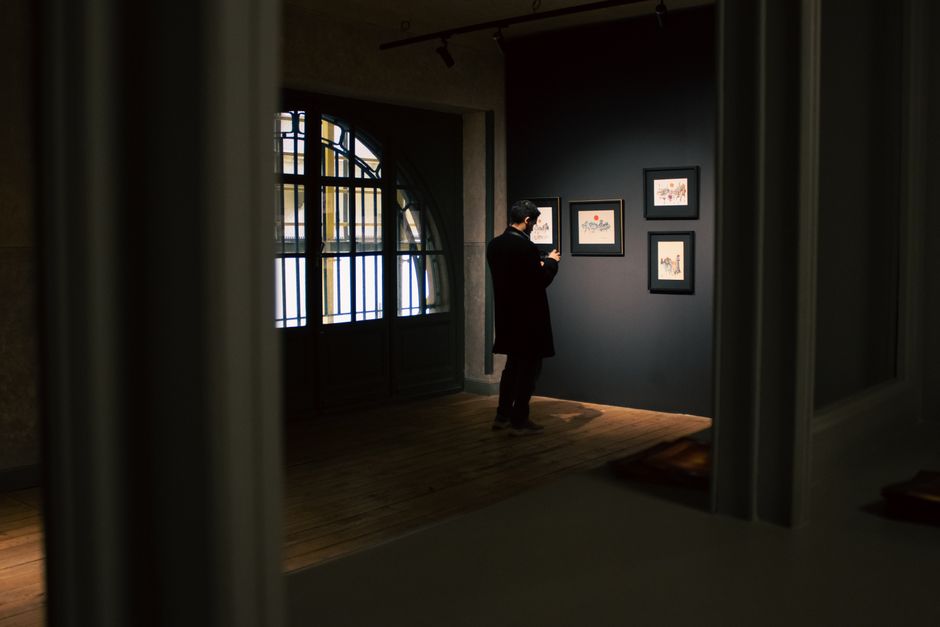
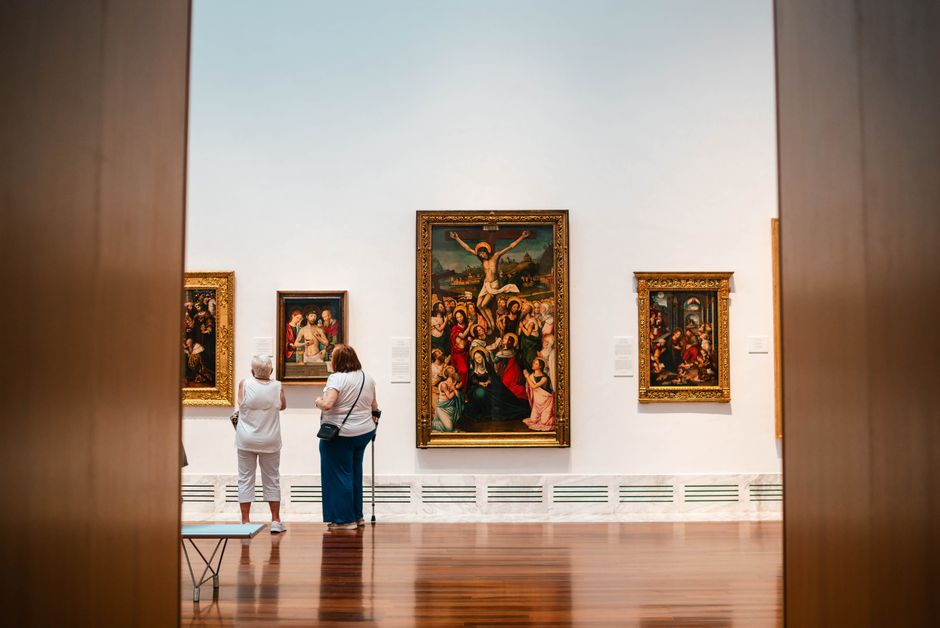
Melbourne's gallery calendar is packed this July, and the timing couldn't be better. Winter typically draws crowds indoors, and this year the city's major institutions are ready. The National Gallery of Victoria on St Kilda Road just opened a sweeping survey of contemporary Indigenous Australian artists that runs through September. Meanwhile, smaller galleries across Fitzroy, Brunswick and Collingwood are mounting shows that prove the real energy in Melbourne's art scene hasn't moved to Sydney—it's just spread out across the inner suburbs.
The current crop of exhibitions reflects a broader shift in how Melburnians consume culture. After years of uncertainty around international travel and touring shows, local institutions are investing heavily in homegrown talent and mid-career artists who've been building followings quietly for a decade. Gallery attendance figures across Melbourne's public museums climbed 23 percent in the first half of 2026 compared to the same period last year, according to data from the Victorian Museums Association. That's not casual foot traffic—that's genuine commitment.
Where to actually go: NGV, commercial galleries, and the inner-west circuit
Start at the NGV International's ground floor, where a 200-work exhibition of contemporary Indigenous practice anchors your visit. Entry is $20 for the special exhibition if you're not an annual member, though the permanent collection upstairs remains free. You'll need two hours minimum. But don't spend your whole day there. Serious collectors and regular gallery-goers are splitting their time between the big institutions and the commercial galleries clustered along Gertrude Street in Fitzroy.
Gertrude Street has become Melbourne's answer to Sydney's Barangaroo precinct—except it actually feels like a working neighbourhood. Anna Schwartz Gallery, which relocated from Melbourne's CBD to larger Fitzroy premises in 2024, is showing mid-career sculptor Tom Killion through August. Two doors down, Sutton Gallery has a retrospective survey of painter Elizabeth Cummings' work from the 1980s and 1990s. Walk another five minutes and you'll hit Ut Oh Fine Art, a smaller space that rotates shows every three weeks. The gallery owners there say foot traffic has tripled since they opened in 2023.
If you've got time and energy, the Brunswick gallery precinct around Sydney Road offers a different pace. Artist-run spaces like Blindside and Seventh Gallery charge nothing for entry and tend to favour experimental work—installations, video, performance. This month Blindside is showing a sound installation by local artist collective The Otolith Group. It runs through July 27.
What's actually worth queuing for
The NGV's Indigenous survey is the heavyweight. Curated over 18 months in consultation with artist communities, it features work from artists across Victoria, New South Wales and Queensland. Expect everything from traditional bark painting and contemporary photography to new media installations. One work—a massive video projection by Rover Thomas Estate—dominates the central hall. People are genuinely stopping mid-conversation to watch it.
Beyond the blockbuster, the Australian Centre for Contemporary Art on Southbank is mounting a smaller but technically accomplished show of geometric abstraction by emerging artists selected through a state-wide competition. Entry is $12 for the exhibition, though students get in free. It closes August 31.
Book ahead if you're planning to visit the NGV on weekends—parking around St Kilda Road fills fast, and the gallery itself caps visitor numbers during peak hours. Weekday visits between 10am and 1pm are quieter. Most suburban galleries don't need bookings, though calling ahead to confirm opening hours saves disappointment. Gallery staff will also tell you what else is worth seeing in the area.
The practical advice: pick one major institution and two neighbourhood galleries. Don't try to do everything in a day. Melbourne's art scene rewards slow looking and repeat visits. Book your NGV time online. Spend real time in Fitzroy. And if you're not a regular gallery-goer, start with the Indigenous contemporary survey—it's accessible, visually stunning, and genuinely important work.