Melbourne's creative class has spent the last decade chasing the future. Now they're looking backward, and it's changing everything about how the city understands itself.
The shift crystallised last month when the National Trust of Australia (Victoria) released its biennial heritage at-risk report. Across the city, from the bluestone laneways of Fitzroy to the Victorian-era warehouses of Collingwood, heritage buildings were being reclaimed by artists, designers and cultural workers who saw in them something their glass-and-steel predecessors could not: a story worth living inside. The trust identified 47 heritage sites across greater Melbourne currently under pressure from development or neglect-and nearly half of them have since been earmarked for cultural adaptation rather than demolition. That's a seismic reversal for a city that bulldozed its way through the 1960s.
What's driving this isn't nostalgia. It's economics, identity, and a generational hunger for spaces that feel earned rather than assembled. When the Collingwood Textile Arts Centre renovated its 1920s factory building on Abbot Street three years ago, it didn't strip the industrial aesthetic. It kept the exposed brick, the soaring timber trusses, the worn concrete floors. The decision paid off. Visitor numbers jumped 34 percent in the first year alone, and applications for studio residencies are now oversubscribed by 8 to 1. The economics work because the spaces themselves become part of the art.
The laneways are no longer just Instagram backdrops
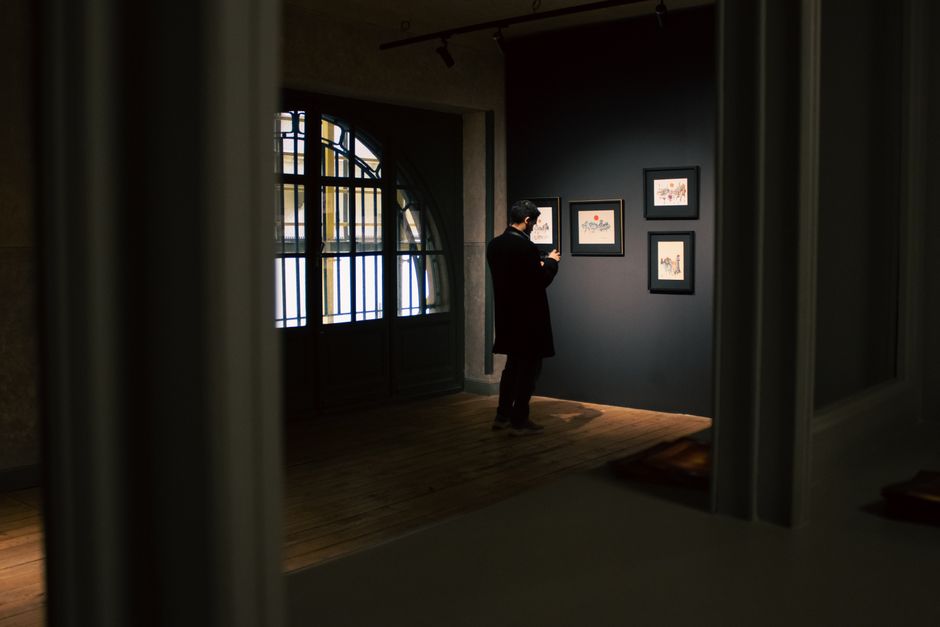
Take Centre for Contemporary Photography, tucked into a 1890s printing factory in Fitzroy. When it relocated there in 2019, the building was nearly condemned. The roof leaked. The walls wept. Yet by maintaining the structural DNA of the space-those original cast-iron pillars, the vaulted ceilings, the north-facing windows that once lit printing presses-the gallery created something that feels less like a contemporary art space and more like a portal. Exhibitions hit differently when they're staged inside a building that has already lived a hundred years. The photographs hang beside ghosts.
Melbourne's lane culture, long celebrated as the city's creative calling card, is being reframed through this lens. The lanes themselves-Hosier Lane in the CBD, ACDC Lane in Fitzroy, the network beneath the Paris end of Lygon Street-are no longer just novelty Instagram locations. They're recognized now as heritage artifacts in their own right. The City of Melbourne's updated cultural strategy, tabled in May 2026, explicitly names the preservation of these informal creative spaces as critical to what makes Melbourne distinct. That's not flowery language. It's a $12 million commitment over four years.
The data backs the shift. A survey conducted by the University of Melbourne's faculty of architecture last year found that 67 percent of young creative professionals-artists, designers, musicians aged 22-35-said they chose to base themselves in Melbourne specifically because of its architectural heritage and the availability of affordable heritage space. That number would have been laughable a decade ago. Melbourne's reputation was built on contemporary cool, on street art and bars that opened last Tuesday. Now it's built on buildings that have outlasted fashion cycles.
Why authenticity matters more than innovation right now
The property market is noticing. Heritage-listed buildings in inner-ring suburbs like Brunswick, Abbotsford and Footscray that sat half-vacant in 2018 now command premium rents for cultural use. A 2,000-square-metre heritage warehouse in Abbotsford that rented for $24,000 annually five years ago now attracts offers at triple that-but only if the tenant commits to cultural programming.
This pivot reshapes how Melbourne competes globally. Sydney's creativity has always been tied to the present moment-the Harbour, the weather, the immediacy of now. Melbourne's strength, increasingly, is its refusal to forget. That's not a liability anymore. It's the whole point.
If you're an artist or cultural worker in this city, the message is clear: the spaces that matter going forward are the ones with layers. Apply for studio residencies through the Craft Victoria studios, or look into the independent creative collectives that are slowly converting heritage spaces across the inner west. The conversation about what Melbourne is has moved on. It's no longer about what we're building. It's about what we're keeping alive.