Melbourne's art world didn't arrive fully formed. It stumbled into existence in 1861 when the National Gallery of Victoria opened its doors in the newly built building at the top of St Kilda Road, a calculated display of colonial ambition masquerading as public service. The early collectors who shaped what Victorians could see were merchants and squatters with money to spare and European pretensions. They bought what London and Paris told them to buy.
That colonial model—art as civic monument, gatekeeping by the wealthy—has spent the last two decades getting demolished. Melbourne's gallery scene hasn't just expanded. It has fractured, multiplied, and moved into spaces that wouldn't have been considered proper venues in 1961, let alone 1861. The shift matters now because it signals something deeper about how cultural capital gets distributed in Australian cities. As property prices cool and young artists face genuine obstacles to studio space, the question isn't whether galleries will thrive. It's who gets to decide what counts as art, and where Melburnians see it.
From Southbank monuments to laneway activism
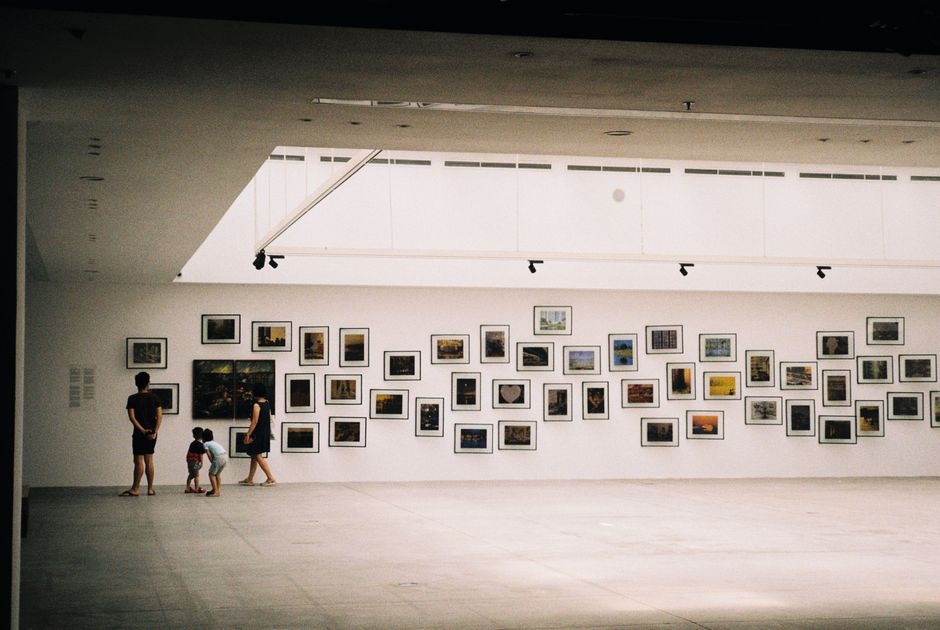
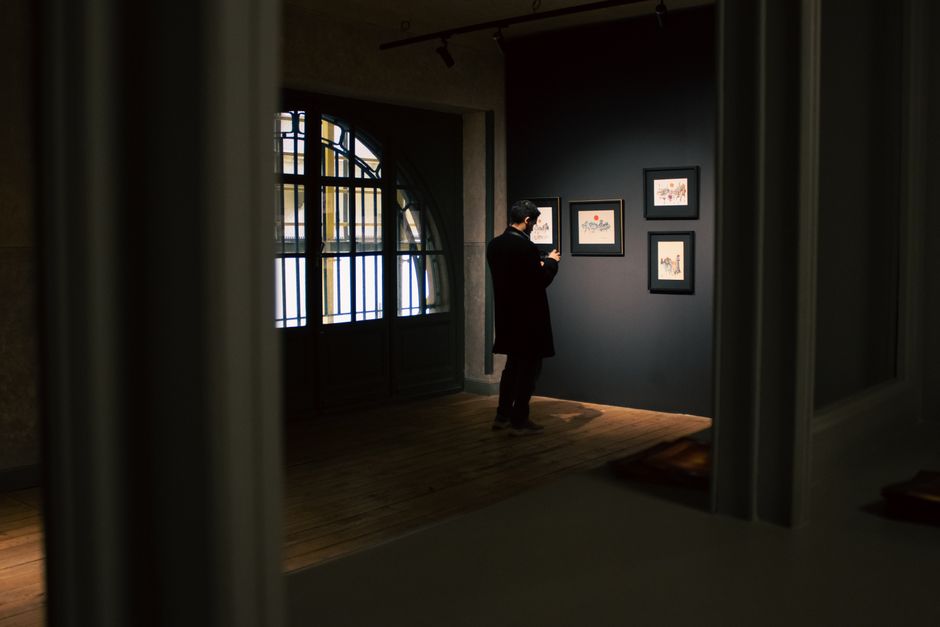
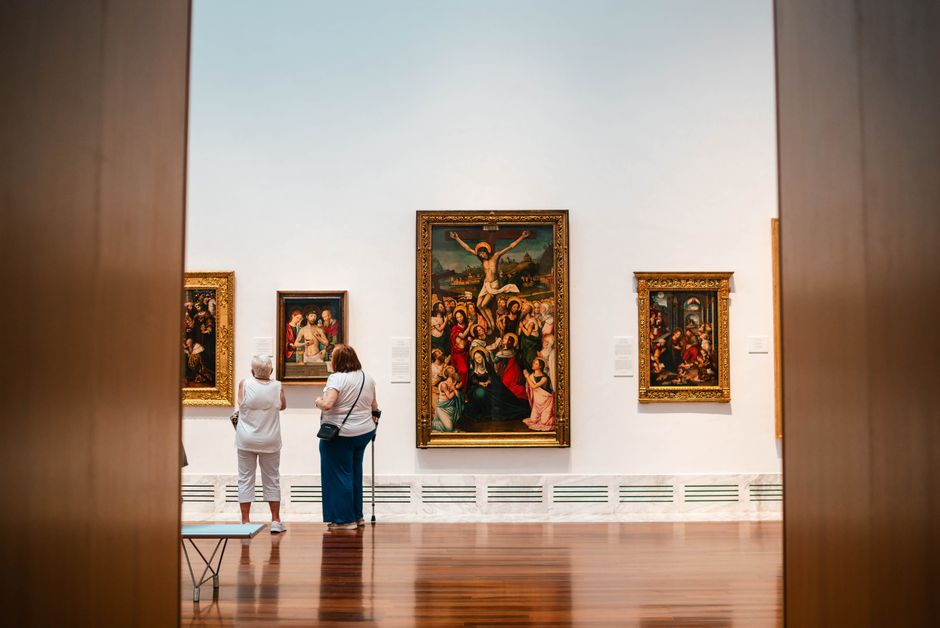
The NGV's main building on St Kilda Road still dominates institutional conversations. It remains the state-funded heavyweight, drawing roughly 1.5 million visitors annually across both its St Kilda Road venue and the International gallery at Federation Square. But walk through Fitzroy, Collingwood, or Abbotsford today and you'll find something the NGV's architects never anticipated: artist-run spaces operating from converted warehouses and weatherboard cottages.
Anna Schwartz Gallery relocated to Abbotsford in 2012, abandoning inner-city rent for industrial South Melbourne space. Others followed. Utopia Art Sydney moved its operations to Collingwood, converting a 1960s factory into white-box exhibition rooms. These weren't retreats from the cultural mainstream. They were assertions that the mainstream had always excluded them anyway. The laneway galleries around Hosier Lane and AC/DC Lane—informal artist collectives rotating work monthly—operate without council funding or philanthropic boards. They cost almost nothing to maintain and everything to sustain.
The contemporary art space Blindside, tucked beneath street level on Fitzroy Street, launched in 1988 and has become a proving ground for experimental work that the NGV wouldn't touch until a decade later. Over at Gertrude Street in Fitzroy, the artist collective of the same name has occupied the same site since 1985, running studios and exhibition spaces with a rotating membership model that keeps production costs low and artistic control distributed among working artists.
The numbers tell a story of multiplication
Between 2015 and 2024, independent gallery registrations in greater Melbourne increased by 42 percent according to Australia Council data. The NGV's budget grew by 18 percent over the same period. Commercial galleries—think Roslyn Oxley9 and other dealer-driven operations—haven't gone anywhere. But they've been outnumbered by nonprofit artist collectives and artist-run initiatives. Those latter spaces typically operate on volunteer labor and grants averaging $8,000 to $15,000 annually, supplemented by fundraising and studio rental fees.
Regional institutions have evolved too. The Bendigo Art Gallery opened its contemporary wing in 2012 with a focus on Australian artists, a conscious shift away from the colonial European collection model that dominated 20th-century regional museums. The Ballarat Fine Art Gallery followed suit, restructuring its curation to prioritize local and Indigenous artists.
For visitors plotting their route through Melbourne's art scene in 2026, the calculation has become more complex and richer. The NGV remains essential, but it's no longer the only conversation worth having. Grab a copy of Artguide Melbourne or check the Australian Art Calendar before heading out. Most independent spaces run on curator hours and limited opening times. The golden age of wandering laneways and stumbling into exhibitions is real—just plan ahead.