news
Melbourne Council Clashes Over Housing Density and Development Levy Costs
A packed week at the Town Hall left councillors divided on mid-rise rezoning, inner-suburb development levies, and how to pay for the city's ageing community infrastructure.
How we reported this
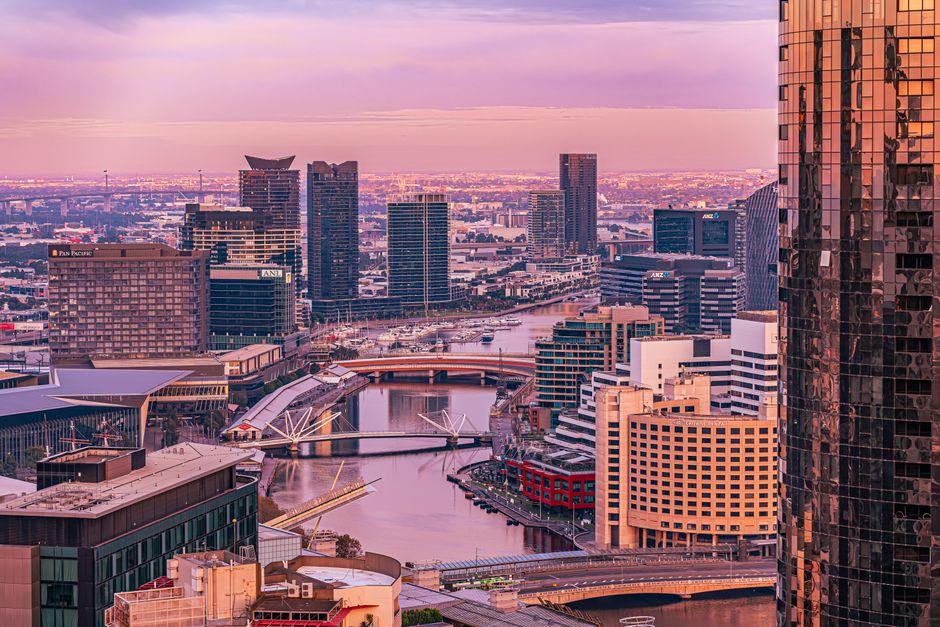
Melbourne City Council passed a contentious motion on Tuesday night to accelerate consultation on mid-rise housing density along the Arden and Macaulay renewal corridor, pushing a decision on rezoning applications to its August 5 ordinary meeting, earlier than the September timeline the planning department had recommended. The vote was 6-5, with councillors Davydd Griffiths and Rohan Leppert among those calling for more resident input before any final call.
The timing matters. The Allan government's housing density reforms, introduced under the Activity Centres Program in late 2025, have put pressure on every inner-Melbourne council to show movement on medium-density planning or risk having the state simply override local controls. For Arden, where North Melbourne's industrial west is earmarked for up to 15,000 new dwellings by 2051, a delay of even two months could stall a pipeline of development applications already sitting with council officers.
Rates, Levies and the Infrastructure Gap
Separately, councillors on Wednesday approved a 3.7 per cent general rate rise for the 2026-27 financial year, the maximum permitted under the Victorian government's rate-capping framework, pushing the average residential rates bill in the municipality to approximately $1,840 annually. That figure sits well above the metro average of around $1,410, a gap council officers justified by pointing to the higher cost of maintaining assets like the Melbourne Town Hall on Swanston Street, the Carlton Baths on Rathdowne Street, and the network of laneways central to the city's economic identity.
A proposed developer infrastructure levy of $28 per square metre of new gross floor area, which council first flagged in May, remains stuck in committee. The CFMEU's Victorian branch has publicly backed the levy as a mechanism for funding community infrastructure, but a coalition of property developers operating in Docklands and Fishermans Bend has lobbied hard against it, arguing it makes already-marginal projects unviable. Council's independent economic adviser warned in a June 17 briefing paper that removing the levy would leave a $340 million funding gap in the city's 10-year capital works plan.
Inner-city councillors are also dealing with renewed pressure over the Munro site on Queen Street in the CBD, where delays to an affordable housing component have drawn criticism from advocacy group Homes for Melbourne. The group appeared before the Future Melbourne Committee on Thursday, telling councillors that only 11 of the 112 affordable units promised in the 2019 planning permit have been contracted to a community housing provider. The remaining stock, they argued, risks being quietly reclassified as market-rate rental.
What Comes Next for Residents and Developers
The Arden-Macaulay consultation process opens online through Participate Melbourne on Monday July 7, with two in-person drop-in sessions scheduled at the North Melbourne Town Hall on Errol Street, 6pm on July 15 and 10am on July 19. Residents in the corridor, which runs roughly from Racecourse Road south to Laurens Street, have until July 28 to make submissions before officers compile a report for the August ordinary meeting.
On rates, the 3.7 per cent increase takes effect from August 1. Council has retained a hardship deferral scheme that allows eligible ratepayers to defer up to 50 per cent of their annual bill interest-free for 12 months, details are available through the City of Melbourne's revenue services team at the Town Hall.
The developer levy question goes back to the Finance and Governance Committee on July 22. Whatever emerges will shape development economics across Fishermans Bend for years, the precinct alone is projected to absorb 80,000 residents by 2050 and is currently served by zero kilometres of tram infrastructure. That gap, more than any individual council vote this week, is what keeps planning officers and councillors up at night.