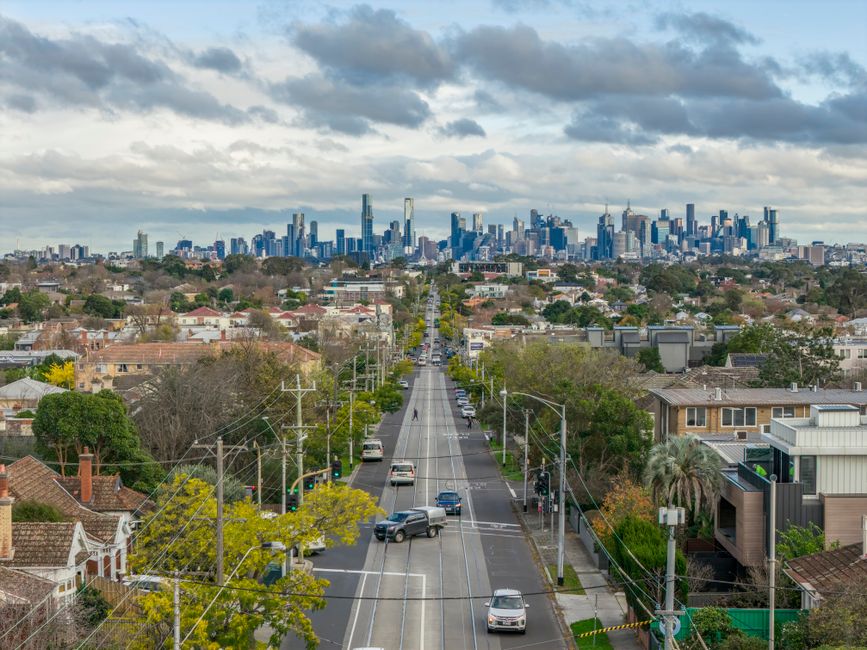
Melbourne's housing density reform debate cracked open again this week, with City of Melbourne councillors, state government planners and community groups each staking out positions that make any consensus look distant. At stake is a rezoning push that could reshape dozens of suburbs within five kilometres of the CBD, including Fitzroy, Collingwood and parts of Brunswick, before the end of 2026.
The timing matters. Victoria's Housing Statement, released in late 2023, committed to 800,000 new homes over a decade. The state is already behind schedule, and the Department of Transport and Planning confirmed last month that Melbourne has approved roughly 38,000 new dwellings in the past financial year — well short of the roughly 80,000 per annum pace required to hit the target. That gap is what's driving the current pressure on councils to fast-track medium and high-density approvals.
Councillors and Planners at Odds Over the Pace of Change
City of Melbourne planners have been briefing councillors through June on proposed changes to the Melbourne Planning Scheme that would lift height limits along activity corridors including Smith Street and Sydney Road. Sources familiar with the briefings say the reception inside the chamber has been divided, with some councillors arguing the proposed six- to eight-storey envelope in established streetscapes is out of step with what residents have been told to expect. Others say the city cannot afford the luxury of restraint.
Urban economist Dr Marcus Peel from the University of Melbourne's Melbourne School of Design has told colleagues and media separately this week that the supply shortfall is already feeding directly into rents. The median asking rent for a two-bedroom apartment in inner Melbourne hit $620 per week in May 2026, according to Domain data — up 11 percent on the same month last year. Peel has argued publicly that planning caution in the inner suburbs is effectively a subsidy paid by renters to existing property owners.
The CFMEU, whose Victorian construction division remains a live flashpoint after the federal administration last year, has pushed back on suggestions from some planning advocates that streamlined approvals automatically translate to faster builds. The union's position, relayed through its official communications, is that workforce capacity — not planning permissions — is the binding constraint, and that any honest projection of new dwellings must account for chronic shortages of licensed concreters and form workers across the metropolitan fringe.
Community Voices and the Fight Over 'Character'
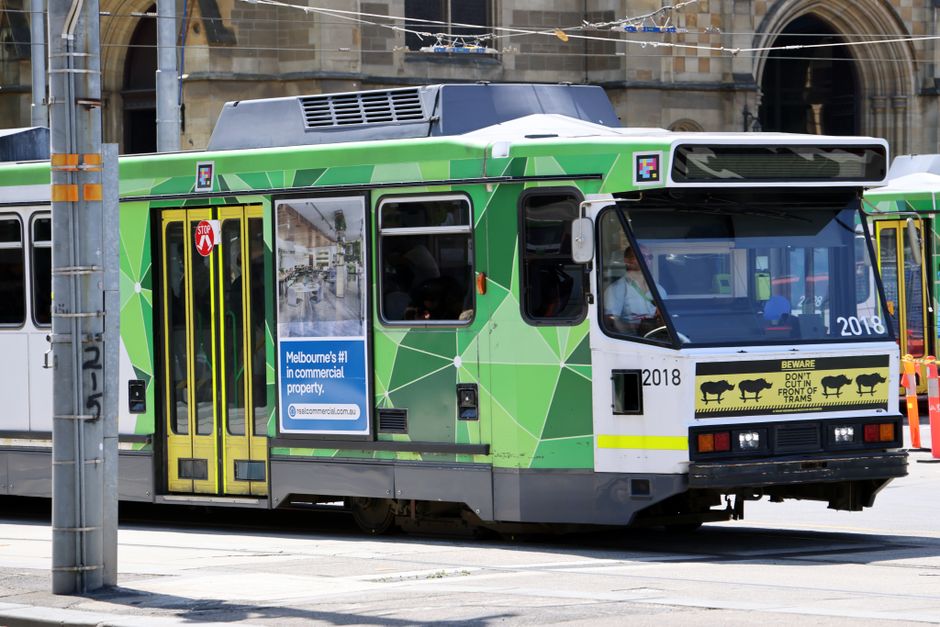
In Fitzroy, residents associated with the Fitzroy Residents Association met informally at the Fitzroy Town Hall on Johnston Street late last month to discuss the proposed corridor changes. The mood, by several accounts, was anxious rather than uniformly hostile — people worried less about height per se and more about infrastructure: the 86 tram route through Smith Street is already at capacity during peak hours, and Yarra City Council has flagged it cannot fund underground power and streetscape upgrades that densification would require without state co-investment.
Yarra Council officers have formally written to the Department of Transport and Planning requesting a commitment to infrastructure sequencing — meaning the state funds the tram upgrades before, not after, new towers go up. That letter, sent in mid-June, has not received a ministerial response as of today.
In Brunswick, Moreland — now rebranded as Merri-bek Council — is taking a different tack. It voted in May to proactively support increased density near the Jewell and Brunswick stations on the Upfield line, on the condition that a minimum 15 percent affordable housing component is locked into any planning permit above five storeys. That condition is not currently part of Victorian planning law and would require a local planning policy amendment, which needs state sign-off.
Planning Minister Sonya Kilkenny's office has indicated she will meet with both Yarra and Merri-bek representatives before the end of July. The outcomes of those meetings will likely determine whether the state proceeds with a top-down rezoning order or allows councils more runway to set their own conditions. Residents and developers watching the process should note that any changes to the Melbourne Planning Scheme must be gazetted before they have legal effect — and that process alone typically takes three to six months from ministerial approval.