The Allan government faces a defining set of transport decisions in the second half of 2026, with cost blowouts on the Suburban Rail Loop, an aging tram fleet, and a looming State Budget mid-cycle review all converging at once. What Melbourne's 5.2 million residents ride — and whether they can afford to — now hinges on choices being made in Spring Street offices over the next six months.
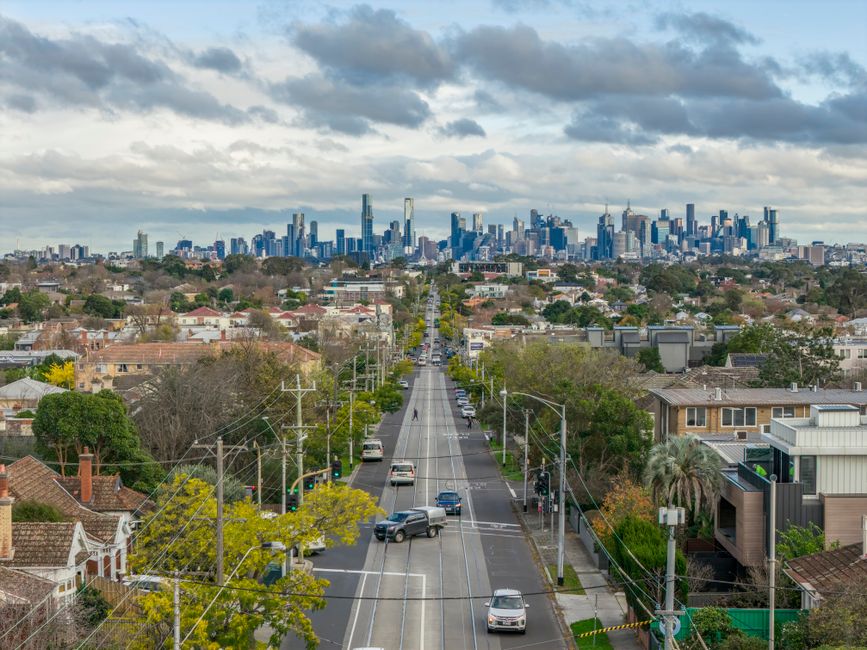
The timing matters because growth is not waiting. The Victorian Planning Authority projects Melbourne will add another 120,000 residents by 2028, many of them settling in the middle-ring suburbs of Broadmeadows, Sunshine, and Frankston that have long complained of second-rate service. The housing density reforms the state government has been pushing through councils will mean nothing if the train lines and tram routes those new apartments depend on are already at capacity during peak hour.
The Suburban Rail Loop Funding Crunch
The Suburban Rail Loop Authority confirmed in May that Stage One — linking Cheltenham to Box Hill via a new underground corridor — has an updated cost estimate north of $34 billion, up from the $50 billion full-project figure the government cited at the 2021 election. Commonwealth funding negotiations with Canberra's Infrastructure Investment Program have stalled, leaving the state holding more of the bill than originally anticipated. The authority's next major milestone is a construction contract award for the Monash precinct tunnelling work, expected before the end of 2026 — but only if Treasury signs off on a revised financing structure that project insiders say is still being drafted.
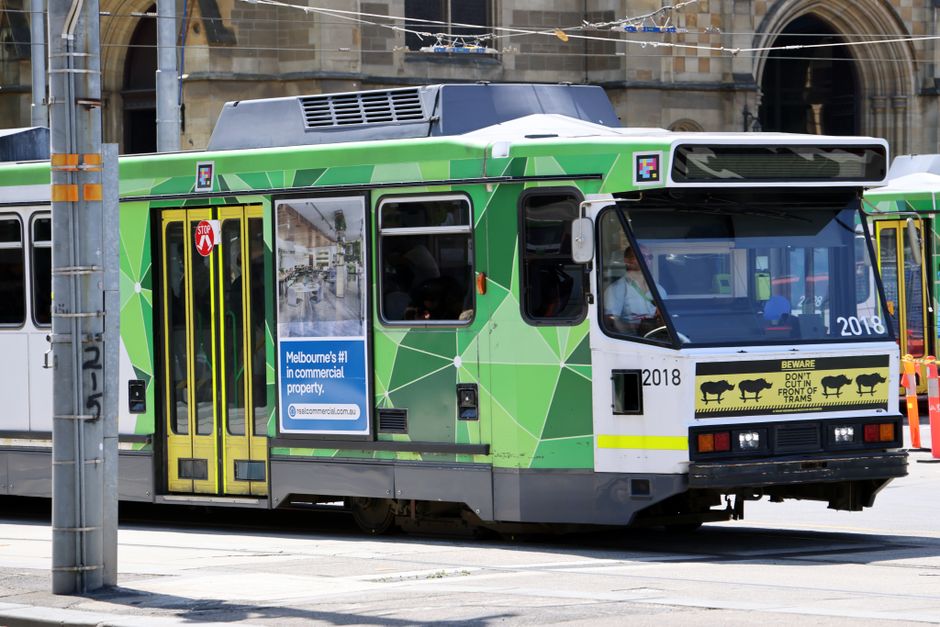
Meanwhile, Yarra Trams, which operates under a franchise contract with Public Transport Victoria, is running 36 Class Z1 and Z3 trams that were built in the late 1970s. The state's own rolling stock audit, published in March 2026, flagged these vehicles as requiring replacement within three years or significant maintenance expenditure to remain compliant with new accessibility standards under the Disability Discrimination Act. A new tram procurement tender has been discussed inside the Department of Transport and Planning since at least 2024, but no request for proposals has been publicly released. Each new high-floor tram costs roughly $5 million to $7 million; replacing the oldest 36 vehicles alone runs to a quarter of a billion dollars at minimum.
Fares, Frequency and the Free Tram Zone Question
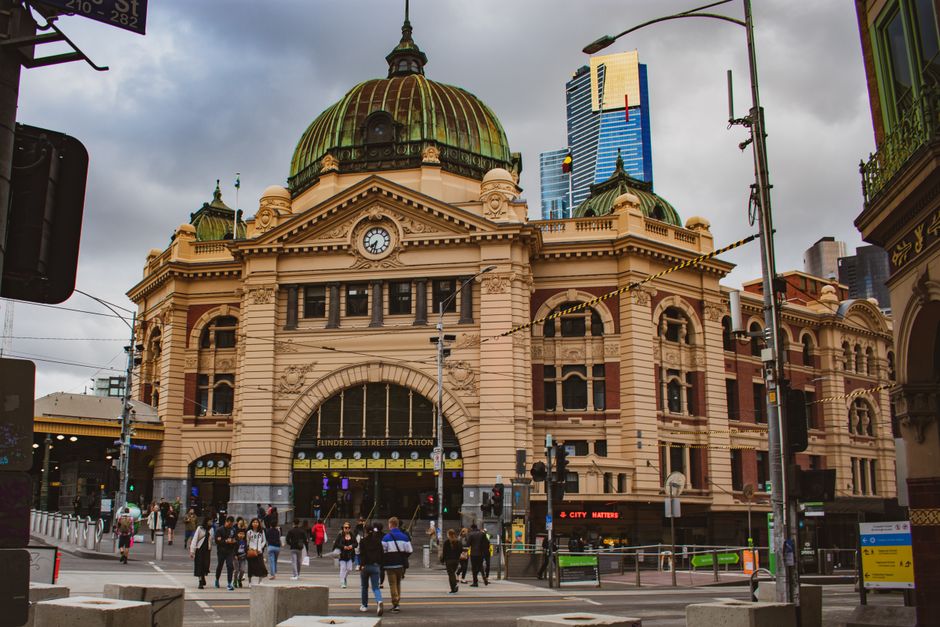
The Free Tram Zone — covering the CBD grid between Flinders Street, Spring Street, La Trobe Street, and Harbour Esplanade — costs the state approximately $130 million annually in foregone fare revenue, according to figures from the 2024-25 Budget Papers. Transport economists at the University of Melbourne's Melbourne School of Design have argued for years that axing or shrinking the zone and redirecting that money into frequency improvements on the Frankston and Sunbury lines would benefit more commuters. The government has so far ruled nothing in or out, but the mid-cycle budget review due in September will test that resolve.
On the Frankston line, trains run every 10 minutes in peak hour between Flinders Street and Moorabbin — a frequency that drops sharply south of Cheltenham, where passengers at Mentone and Parkdale wait up to 20 minutes. On the Sunbury corridor, the Metro Tunnel's opening in 2025 added capacity through the City Loop bypass, but timetable integration with V/Line services at Sunshine Station remains unresolved, causing interchange delays that commuters have flagged repeatedly to the Public Transport Users Association.
Three decisions will largely settle Melbourne's transport trajectory before mid-2027. First, whether the government strikes a Commonwealth co-funding deal for the Suburban Rail Loop before the federal infrastructure spending freeze lifts in October. Second, whether the Yarra Trams contract — up for renewal in 2028 — is retendered openly or extended, and on what terms for fleet renewal. Third, whether the September budget review finds room to fund the 15-minute network promise the Allan government made to outer-suburban voters at the 2022 election. That promise covered 26 lines and corridors; fewer than a third have seen measurable frequency improvements since. The next six months will show whether it stays a promise or becomes a plan.