Victorian households enrolled in the Solar Homes Program saved an average of $1,400 on electricity costs last financial year, according to figures released by Solar Victoria last week — but the program's own data shows uptake in Melbourne's inner-north and western suburbs lags significantly behind wealthier postcodes, raising fresh questions about who climate policy is actually working for.
The gap matters more than ever right now. Sydney's record-shattering June temperatures — the hottest since 1859 — have forced a reckoning in every Australian capital about the pace of the energy transition. In Melbourne, where winter power bills are already punishing and the cost-of-living squeeze shows no sign of easing, the stakes for getting local climate policy right are immediate and very personal for hundreds of thousands of residents.
The Suburbs Getting Left Behind
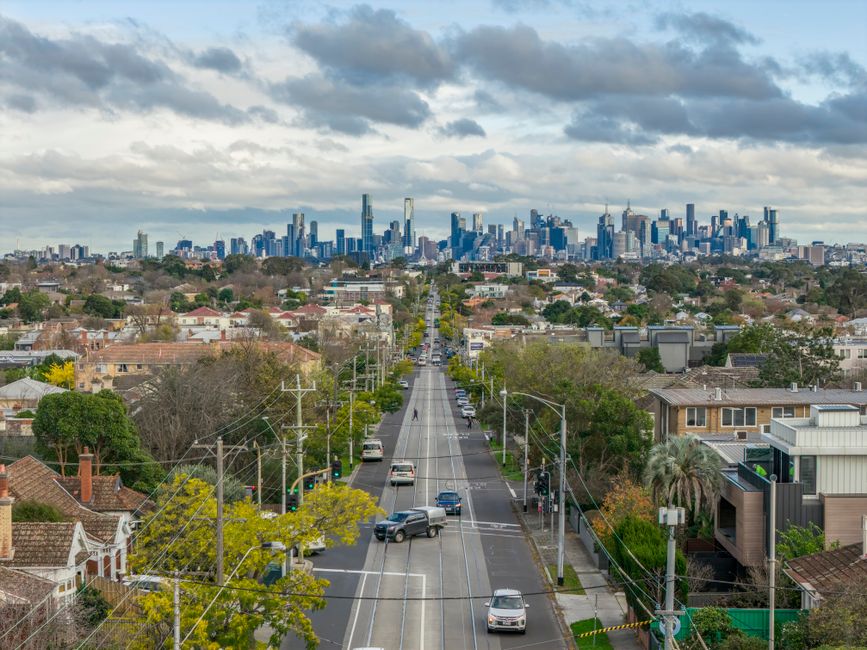
Walk through Footscray or Sunshine on a Saturday morning and the contrast is obvious. In nearby Ivanhoe and Balwyn, rooftop solar panels are almost as common as letterboxes. In Braybrook, where median household incomes run roughly 30 percent below the Melbourne average, the panels are sparse. Community organisation Engage Multicultural Australia, which runs financial literacy programs across the Maribyrnong local government area, says its caseworkers regularly encounter families who have never heard of the Solar Homes rebate, let alone applied for it.
The core problem is eligibility design. Solar Victoria's flagship household rebate — worth up to $1,400 for a standard rooftop system — is available only to owner-occupiers, which immediately excludes the 53 percent of Footscray residents who rent their homes, according to 2021 census data. A separate Rental Provider program exists, offering landlords a $1,400 rebate to install solar for tenants, but uptake since its 2020 launch has been described by the Victorian Council of Social Service as chronically low, with fewer than 6,500 systems installed statewide through to mid-2025.
The City of Melbourne's own Zero Carbon strategy, adopted in 2020 with a target of net zero emissions by 2040, identifies residential energy efficiency as a priority action area. The council's Sustainable Melbourne Fund has co-financed retrofits in apartment buildings along Swanston Street and in the Docklands precinct, targeting common areas and shared infrastructure where individual owners can't act alone. It's useful work. It doesn't reach Braybrook.
What the State Government Is — and Isn't — Doing
The Allan government committed an additional $291 million to the Solar Homes Program in last year's state budget, extending it through to June 2028. Energy Minister Lily D'Ambrosio has flagged a review of the rental component, though no revised eligibility criteria or structural changes have been announced. The Department of Energy, Environment and Climate Action confirmed to The Daily Melbourne this week that a consultation process is ongoing, with outcomes expected by the end of the third quarter of 2026.
In the meantime, some of the most practical action is happening at the neighbourhood level. Moreland Energy Foundation, based in Coburg, runs free home energy assessments for low-income households across the northern suburbs and connects residents directly with rebate applications. Its Energy Assistance Program completed more than 3,200 assessments in the 2024-25 financial year. The Fitzroy-based Brotherhood of St Laurence has a parallel program targeting public housing towers, where residents face some of the highest energy stress in Victoria but have almost no capacity to modify their dwellings.
For Melbourne residents trying to navigate the system themselves, Solar Victoria's website allows postcode-level eligibility checks and includes a live register of accredited installers. The average wait time for a residential installation currently sits at around six weeks. Renters whose landlords are open to the conversation can direct them to the Rental Provider portal at solar.vic.gov.au, where a separate application stream handles the landlord rebate with no cost to the tenant. Community legal centres in Sunshine and Dandenong can assist with disputes if a landlord refuses to engage.
The program works. The data is clear on that. The question the state government now has to answer — before another punishing summer arrives — is whether it works for everyone, or just for people who already own their roof.