news
Melbourne's 250km Tram Network Faces Major Modernisation Challenge
Transport planners, union figures and urban experts are clashing over how to modernise 250 kilometres of track without gutting a system that defines the city.
How we reported this
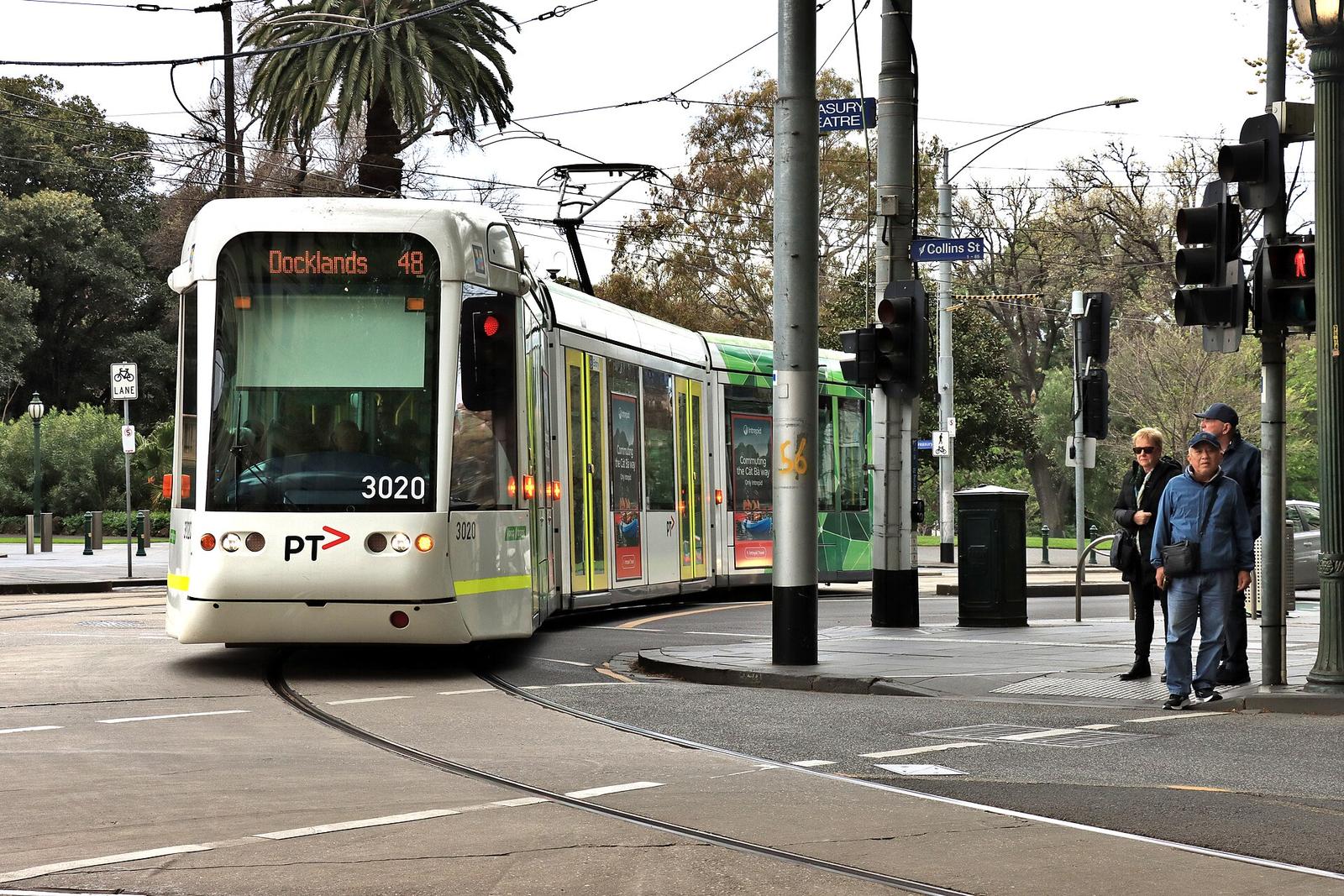
Melbourne operates the largest tram network on earth. That fact is not in dispute. What officials, engineers and urban planners are arguing about, loudly, and with increasing urgency, is whether the system built largely before World War Two can carry a city expected to hit six million people within a decade.
The pressure is not abstract. Melbourne's population grew by roughly 110,000 people in the 2024-25 financial year, according to the Victorian Government's own projections, and the inner suburbs absorbing most of that growth, Brunswick, Fitzroy, Footscray, sit directly on tram corridors that were designed for a different era. The housing density reform debate that has consumed Spring Street for the past 18 months makes the tram question impossible to separate from land use. You cannot stack apartment towers along Sydney Road without asking what the Route 19 tram can actually handle at peak hour.
What the Experts Are Saying
Transport engineers at the University of Melbourne's Transport, Health and Urban Design Research Lab have been pressing the state government since at least 2024 to commit to a dedicated tram lane audit across the entire 1,750-stop network. Their central argument is straightforward: Melbourne's trams average around 16 kilometres per hour across the network, roughly the speed of a brisk bicycle commute, because they share road space with cars on most routes outside the CBD. By comparison, Zurich's tram network, roughly a third the size, averages closer to 20 km/h through consistent priority signalling and dedicated lanes.
Yarra Trams, the French-owned operator that has run the network under contract since 2009, declined to provide specific operational data by deadline. But the company's most recent annual report, published in late 2025, recorded more than 206 million passenger boardings in the prior 12 months, a figure that has climbed steadily since free fares were briefly trialled on select routes during the 2022 Commonwealth Games period. The current adult Myki fare for a two-hour tram journey sits at $5.00, unchanged since the January 2024 fare freeze the Allan government extended through to December 2026.
The CFMEU, whose members maintain much of the infrastructure through subcontractors operating under the Level Crossing Removal Project, has been vocal in recent months about what it describes as chronic underfunding of track renewal on the Nicholson Street and Victoria Parade corridors in Fitzroy and Collingwood. The union's Victorian secretary told a May industry forum in Docklands that sections of track on those routes are running beyond their engineered service life. The state government has not publicly responded to that specific claim.
The Political Dimension
For the Allan Labor government, the tram network sits at an uncomfortable intersection of its transport legacy and its housing ambitions. The Suburban Rail Loop, now consuming more than $34 billion in committed funding, has drawn capital and political attention away from surface transit, a point that inner-city Greens councillors on the City of Melbourne have made repeatedly at council chambers on Swanston Street. Their argument is that fixing tram priority on routes like St Kilda Road or Lygon Street would cost a fraction of a rail tunnel and benefit more people faster.
The government's Department of Transport and Planning is currently finalising the Tram Network Development Plan, a strategy document first flagged in the 2024-25 state budget and expected to be released before the end of the third quarter of 2026. Industry sources with knowledge of the process say it will recommend staged separation of tram lanes on at least four high-frequency routes, beginning with Swanston Street between Flinders Street Station and the University of Melbourne, a corridor that already carries more than 40,000 tram passengers on a typical weekday.
Whatever the plan recommends, implementation will run straight into Melbourne's current construction bottleneck. The Level Crossing Removal Authority has crews tied up at dozens of sites across the metropolitan area, and the labour market for civil rail workers remains extremely tight. Planners and union officials agree on at least one thing: any serious upgrade to the world's largest tram network will not happen quickly, and the window to get ahead of population growth is narrowing.