Climate, Cost, and Community: What Melbourne’s Leaders Say About the City’s Future
From temperature records to housing reforms, Melbourne decision-makers are weighing up how to keep the city liveable, affordable and resilient.
4 min read
From temperature records to housing reforms, Melbourne decision-makers are weighing up how to keep the city liveable, affordable and resilient.
4 min read
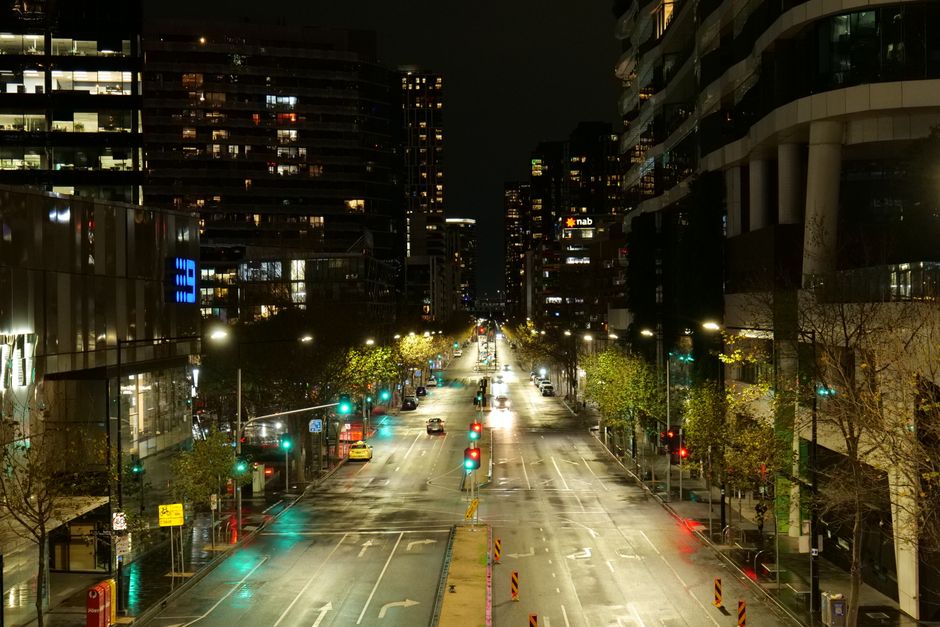
Melbourne’s leading officials, experts and community figures are calling for urgent action on climate, new strategies to address housing pressure, and a renewed commitment to community safety, as the city faces a confluence of weather extremes and social challenges this winter.
The renewed push comes after Sydney clocked its hottest June since the 1850s, with weather analysts warning Victoria could be next. Meanwhile, a spate of high-profile incidents, rising rents, and fresh debate over city density have thrust Melbourne’s decision-makers into the spotlight. "There’s only so much time left to put things right," one City of Melbourne official told The Daily Melbourne on Friday, echoing concerns from councils across the state. The Victorian Labor government, led by Premier Jacinta Allan, is under particular pressure to respond on multiple fronts — and what happens here is shaping national debate.
Climate experts at the Bureau of Meteorology, based on La Trobe Street, have publicly flagged this past month’s warmer-than-average nights — peaking at 12.6°C in Fitzroy on June 22 — as part of a rising trend. Dr. Natalie Fox, a university researcher at Monash’s Clayton campus, points to modelling showing Victorian heatwaves could double by 2030. “We’re entering unfamiliar territory traditionally reserved for states like New South Wales,” she said in a statement published by the Victorian Climate Council. The City of Port Phillip has already moved to expand shade cover along St Kilda Road and push for renewed funding to cool tram stops ahead of next year’s summer peaks.
While the weather simmers, affordable housing remains volatile. According to Domain’s June 2026 report, the median rent for a two-bedroom apartment in Carlton has reached $540 per week. In Collingwood, a one-bedroom now averages over $450. The Allan government’s Housing Statement, released in April, pledged 8000 new homes across inner and middle suburbs over the next five years, but key voices—including the Planning Institute of Australia’s Victorian convenor, Paul Gleeson—have publicly described progress as “painfully slow.” Local councils like Darebin and Merri-bek are pushing for rezoning to support higher-density builds, but residents’ groups in Northcote and Brunswick continue to lobby for more green space and infrastructure upgrades alongside any new developments.
Following last week’s tragic stabbing of a 15-year-old boy near the Queen Victoria Market precinct, Victoria Police Deputy Commissioner Wendy Steendam assured the public that "taskforce operations in conjunction with local youth workers are being intensified". The co-chair of the Melbourne Migrant Resource Centre, Sumaya Yahya, called for “better after-school programs and more visible community patrols” in communities near Footscray and Dandenong, where similar incidents have recently sparked concern.
Meanwhile, policymakers are weighing up next steps. City of Melbourne councillors meet next Tuesday to decide whether to endorse a $7.5 million investment in cool roofs and pocket parks for Docklands and West Melbourne. At the same time, the state government is expected to open public consultations on new rezoning guidelines by August 1 — a move that could determine the shape of future high-rise clusters along Smith Street and beyond.
Looking ahead, urban planners are urging Melburnians to engage in council surveys, attend town hall meetings, and keep an eye on the City of Melbourne’s climate adaptation pilot, now open for resident feedback at the Kathleen Syme Library in Carlton. With energy bills in Victoria up 18% in the past year and extreme weather looming, officials say timely input from residents will shape decisions on everything from rooftop solar to tram infrastructure. For now, it’s a city bracing for more heat, higher rents, and tougher questions — and awaiting answers from those in charge.
Partner Content
SponsoredPartner Content lets Melbourne businesses reach engaged local readers with a clearly labelled, editorial-style feature. Every placement is marked Sponsored, in line with our sponsored content policy.
About this article
Published by The Daily Melbourne
Daily brief
Free, in your inbox before 7am. Weekdays.
You might also like
News
News
News
News
Free daily briefing
The Daily Network