Hundreds of residents packed a public consultation session at the Coburg Town Hall on Thursday evening, telling councillors in plain terms that the state government's proposed housing density reforms — which would allow six-storey apartment buildings within 800 metres of train stations — feel less like planning policy and more like a decision handed down from Spring Street with little local input. The meeting, organised by Merri-bek City Council, drew standing-room crowds to a venue that seats 280.
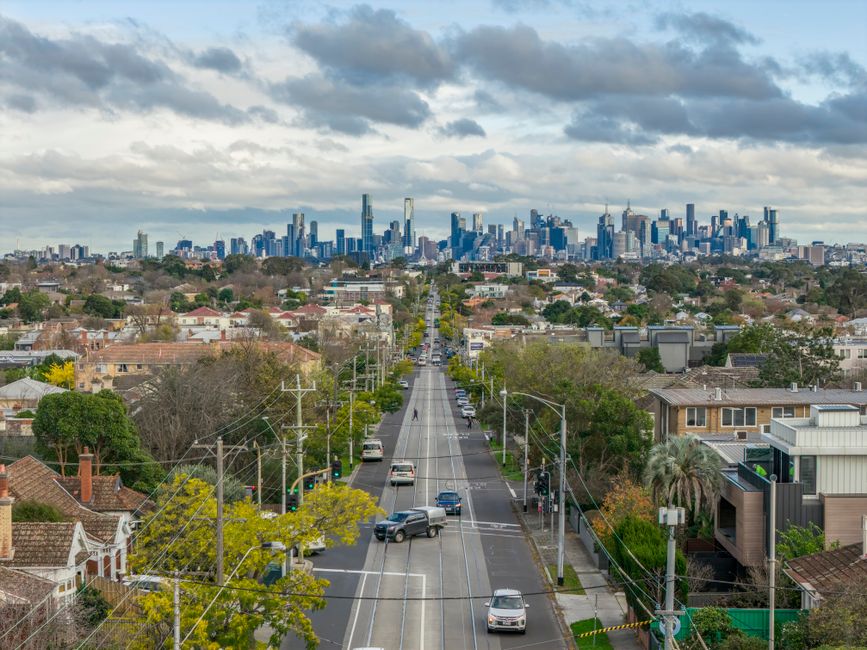
The pressure is real and it is immediate. The Victorian Labor government is expected to finalise its reformed planning zones under the Housing Statement commitments before the end of 2026, with councils required to update local planning schemes by March next year. That timeline leaves communities across Melbourne's inner north — already dealing with tight rental markets and median house prices in Brunswick sitting above $1.1 million as of the June quarter — feeling like the clock is running out on their ability to influence what gets built next door.
Street-Level Frustration
Along Sydney Road and Lygon Street, the conversations at cafes and corner stores have turned sharply toward questions of heritage, infrastructure capacity and who, exactly, benefits from upzoning. Renters and homeowners are not always on the same side of this argument. Long-term tenants in older walk-up flats near Anstey Station worry that redevelopment will displace them with no guarantee they can afford to return. Owners of interwar bungalows on streets like Albion Street and Weston Street in Brunswick fear the character overlays that have protected their neighbourhoods for decades will be quietly stripped away.
The Moreland Community Legal Centre and advocacy group Renters and Housing Union have both been fielding a surge in inquiries since May, when the state government published its draft zoning maps. One resident who has lived on Blyth Street in Brunswick for 22 years told this masthead she had attended every council meeting on the topic since February and still felt unclear about whether her property sits inside or outside the proposed activity centre boundary. "Nobody can give me a straight answer," she said.
Inner Melbourne's population grew by roughly 12,400 residents in the 12 months to June 2025, according to the Australian Bureau of Statistics, and Melbourne City Council has forecast the municipality needs to accommodate an additional 80,000 dwellings by 2051. Proponents argue the density reforms are the only credible path to meeting that target without pushing workers further out to Wyndham Vale or Melton. Critics say the infrastructure has not kept pace: three of the Upfield line's busiest stations — Moreland, Coburg and Batman — already operate beyond comfortable peak-hour capacity, according to a Public Transport Victoria load survey published in February.
What Comes Next
Merri-bek council is accepting written submissions until July 25, and a second community forum is scheduled for the Coburg Library meeting rooms on July 17. Fitzroy North and Clifton Hill residents fall under Yarra City Council's parallel process, which closes its own submission period on August 1.
State Planning Minister Sonya Kilpatrick has indicated the government is not inclined to carve out blanket heritage exemptions for entire suburbs but has signalled councils can propose site-specific protections through the reformed activity centre plans. That distinction matters: it means the burden falls on local residents and councils to argue for individual street or precinct protections, rather than on developers to justify demolition.
For those wanting to register their views, Merri-bek's online submission portal is open at the council's official website, and the Renters and Housing Union is running a free workshop at the Fitzroy Town Hall on July 12 to help renters understand how the zone changes could affect their tenancy rights under the Residential Tenancies Act 1997. Show up, read the draft maps, and put something in writing before the clock runs out.